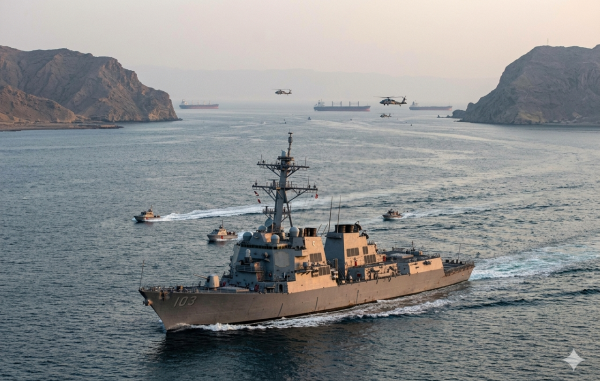
Trump directs Navy to halt ship traffic; economic and military impacts expected to reach U.S. and North Carolina
April 12, 2026 — BC News
President Donald Trump has ordered the U.S. Navy to “begin the process of blockading any and all ships” entering or leaving the Strait of Hormuz, escalating tensions with Iran after nearly 20 hours of peace negotiations in Islamabad ended without agreement.
The move marks one of the most significant U.S. military actions in the six‑week conflict and is expected to deepen global economic strain.
In a statement on Truth Social, Trump said he has also directed U.S. forces to interdict vessels in international waters that have paid Iran’s newly imposed maritime tolls. “No one who pays an illegal toll will have safe passage on the high seas,” he wrote. The president added that the Navy will begin destroying Iranian‑laid mines in the strait.
—
Talks Collapse Over Nuclear Demands
U.S. negotiators, including Vice President JD Vance, departed Pakistan early Sunday after discussions stalled over Iran’s nuclear ambitions. American officials said most issues had been resolved, but Iran’s refusal to abandon its nuclear program remained a non‑negotiable barrier.
Iranian leaders accused the U.S. of “excessive demands,” while Pakistan urged both sides to maintain the current ceasefire through April 22 and resume dialogue.
—
A Global Chokepoint Under Strain
The Strait of Hormuz carries roughly 20% of the world’s oil and liquefied natural gas, making it one of the most strategically important waterways on the planet. Since late February, Iranian toll requirements, restricted transit corridors, and attacks on commercial vessels have reduced daily ship crossings by more than 90%.
Oil prices have already climbed above $95.00 per barrel. Analysts warn that a U.S. blockade, combined with Iran’s continued control of a narrow transit route, could push prices higher and intensify supply chain disruptions worldwide.
—
How the Blockade Could Affect the U.S. and North Carolina
Fuel costs, supply chains, and military communities likely to feel the impact — Although the blockade is unfolding thousands of miles away, its effects are expected to reach American households, including those in North Carolina in the coming days and weeks.
Fuel Prices and Daily Costs
Disruptions in the Strait of Hormuz typically push global fuel prices higher.
For North Carolina, that could mean:
– Higher gas and diesel prices
– Increased transportation costs for goods
– Added pressure on coastal tourism as travel becomes more expensive
Agriculture and Manufacturing
North Carolina’s economy relies heavily on:
– Agriculture (fertilizer, fuel, plastics, chemicals)
– Manufacturing (aluminum, metals, electronics, textiles)
Both sectors are sensitive to global shipping slowdowns and rising commodity prices, which can quickly raise costs for farmers, factories, and small businesses.
Military Communities on Alert
With major installations such as Fort Liberty, Camp Lejeune, Cherry Point, and Seymour Johnson AFB, North Carolina is home to tens of thousands of service members and families.
A heightened U.S. naval posture often leads to:
– Increased deployments
– Elevated readiness levels
– Local impacts on families, schools, and support services
Supply Chain Delays
Electronics, auto parts, medical supplies, and consumer goods that rely on global shipping routes may face delays or higher prices. Retailers and distributors in the Carolinas could feel the strain first.
—
Uncertain Path Forward
Trump said “other countries” will join the blockade, though no partners have been publicly identified. The Pentagon has not released operational details, but defense officials have previously warned that mine‑clearing and interdiction operations in the strait carry significant risk.
Global leaders, including the European Union and Russia, have called for renewed diplomacy. For now, the ceasefire remains in place, but the strategic waterway is expected to remain volatile in the days ahead.
© 2026 BCDollarSaver.com. All rights reserved.


Be the first to comment