Burn bans, Stage 2 water restrictions, and elevated July 4 fireworks risk across the region
By Coastal Carolina News Staff Writer
Coastal Carolina counties are entering the July 4 holiday period under heightened drought‑related restrictions, including an active burn ban in unincorporated Brunswick County and expanding Stage 2 water‑use limits across multiple jurisdictions. Dry vegetation, warm temperatures, and reduced water availability have prompted coordinated responses from forestry officials, utilities, and local governments.
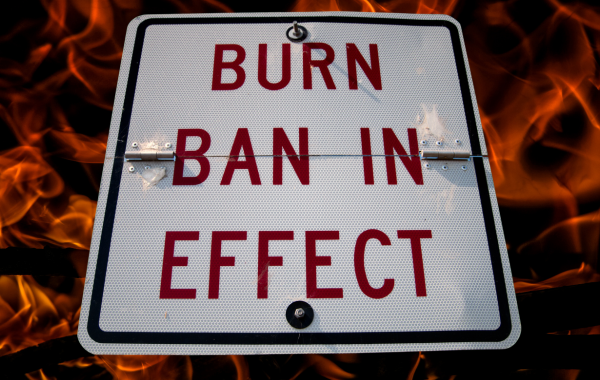
Unincorporated Brunswick County remains under a burn ban issued by the Brunswick County Fire Marshal, with burn‑permit suspensions supported by the N.C. Forest Service.
The ban applies to all outdoor burning requiring a state permit. Forestry officials report that drought‑stressed fuels such as pine straw, grass, and leaf litter can ignite easily and spread rapidly under current conditions. Enclosed cooking devices remain permitted but should be kept clear of dry vegetation.
Several water systems in the coastal region have moved into Stage 2 water restrictions, limiting nonessential outdoor water use.
These restrictions typically include reduced irrigation schedules, limits on lawn watering, restrictions on vehicle washing, and conservation measures for commercial users. Utilities cite declining groundwater levels, increased seasonal demand, and ongoing drought conditions as the primary drivers.
Columbus County is not under a countywide burn ban, though daily burn‑permit suspensions may occur depending on humidity, wind, and fuel dryness. Fire districts continue monitoring conditions and may implement additional restrictions if drought indicators worsen. New Hanover and Horry counties are also experiencing elevated fire danger, prompting municipalities to review fireworks launch sites and adjust fallout zones to reduce ignition risk.
Across Brunswick, Columbus counties, the N.C. Forest Service identifies dry fuels, low humidity, warm temperatures, and increased holiday‑related ignition sources as key contributors to elevated July 4 fire risk. Reduced water availability in Stage 2 restriction zones has prompted additional planning for suppression readiness.
Forestry officials recommend using fireworks only on nonflammable surfaces, keeping water sources available, soaking spent fireworks thoroughly, and avoiding ignition sources near dry vegetation. Residents should check local advisories daily, as fire‑danger ratings and burn‑permit status may change based on weather conditions.
Fire‑danger maps, burn‑permit information, and drought advisories are available through the N.C. Forest Service at ncforestservice.gov.
Coastal Carolina News is the updated branding for bcdollarsaver.com.
© 2026 CoastalCarolinaNews.com. All rights reserved.


Be the first to comment