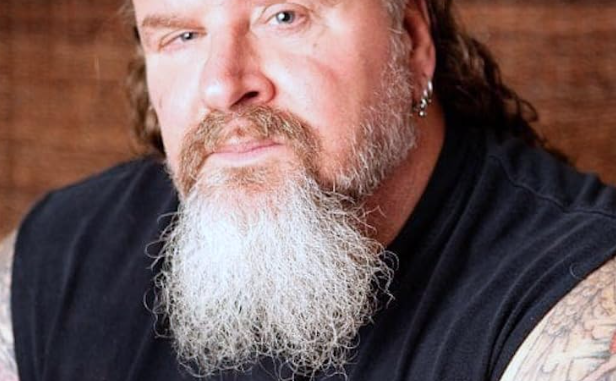
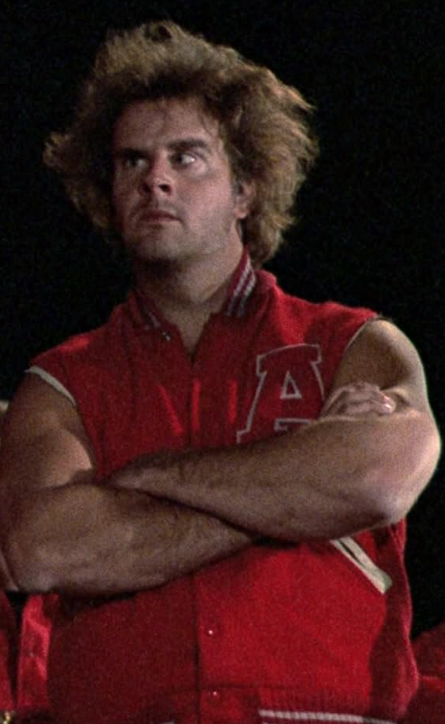
The recent news of Donald Gibb’s passing at the age of 71, as reported by TMZ, marks the end of an era for fans of cult cinema. While not a household name in the traditional sense, Gibb carved out a unique and memorable niche for himself, primarily through his portrayal of physically imposing yet endearingly simple characters in films that have endured the test of time. His contributions, particularly his iconic roles in “Revenge of the Nerds” and “Bloodsport,” cemented his legacy as a beloved figure in the landscape of beloved B-movies and genre films.
Gibb’s most indelible mark on pop culture was undoubtedly his creation of “Ogre” in the “Revenge of the Nerds” franchise. As the hulking, perpetually dim-witted, and surprisingly loyal fraternity brother, Ogre became an instant antagonist turned ally, embodying the exaggerated archetypes that made the film a comedic touchstone of the 1980s. Gibb’s physical presence, combined with a nuanced ability to convey Ogre’s underlying good nature despite his intimidating façade, endeared him to audiences. He reprised this role across sequels and even a television movie, demonstrating the character’s lasting appeal and Gibb’s skill in bringing him to life time and again. Ogre wasn’t just a stereotype; through Gibb’s performance, he became a lovable brute, a testament to the actor’s ability to imbue even the most straightforward characters with a touch of humanity.
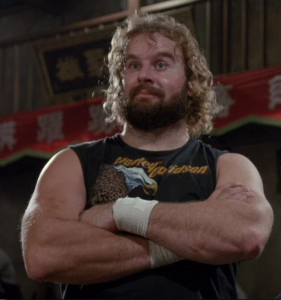
Beyond the hallowed halls of Lambda Lambda Lambda, Gibb demonstrated his versatility by stepping into the gritty world of martial arts cinema. In the 1988 cult classic “Bloodsport,” he played Ray Jackson, a formidable American fighter. As a foil to Jean-Claude Van Damme’s stoic Frank Dux, Gibb’s Jackson was characterized by his raw power and explosive energy, offering a different flavor of combat prowess. This role showcased Gibb’s ability to transition from comedic buffoonery to intense physical performance, proving he was more than just a one-trick pony. His presence in “Bloodsport” added a crucial layer of American grit to the global martial arts spectacle, solidifying his place in another beloved genre.
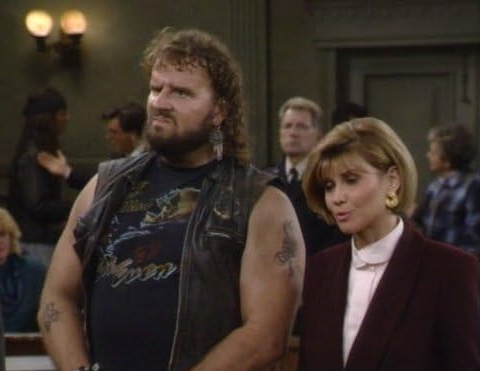
Gibb’s career extended beyond these defining roles, showcasing a steady presence in Hollywood. His filmography includes a diverse range of projects, from the superhero satire “Hancock” to independent dramas and even an unreleased B-horror film. On the television front, he made guest appearances in a slew of popular series, including “The X-Files,” “Seinfeld,” and “The A-Team,” demonstrating his adaptability to different formats and genres. Even in smaller roles, Gibb had a knack for leaving a memorable impression, often bringing a larger-than-life quality to his characters. His work also extended to the burgeoning world of video games, lending his distinctive voice to titles like “Rage” and “Mafia II,” further diversifying his creative output.
Donald Gibb’s journey began with a significant supporting role as a henchman in Clint Eastwood’s “Any Which Way You Can,” a film that foreshadowed his future success in action-oriented and comedic roles. Born in New York City, Gibb’s career trajectory was one of consistent work and a dedication to his craft, even if it was often in the less glamorous corners of filmmaking. He may not have commanded the spotlight of A-list blockbusters, but he undeniably illuminated the imaginations of countless viewers who found joy in the unique characters he portrayed.
In remembering Donald Gibb, we celebrate not just an actor, but a performer who understood the power of a strong physical presence coupled with an often unexpected vulnerability. He was the gentle giant, the lovable bruiser, the character actor who could steal a scene and embed himself in the hearts of a devoted fanbase. His passing leaves a void in the landscape of cult classics, but the laughter and excitement he generated through his memorable performances will continue to resonate for generations to come.
© 2026 BCDollarSaver.com. All rights reserved.

Be the first to comment