Temporary program expands access to weight‑loss drugs through Part D; $50 monthly copay
By Coastal Carolina News Staff Writer
Medicare beneficiaries will gain new access to GLP‑1 medications prescribed solely for obesity beginning July 1, marking the first time the federal program will help pay for weight‑loss drugs outside of diabetes or cardiovascular treatment. The temporary coverage expansion will run through December 2027 and requires enrollment in a Part D prescription drug plan.
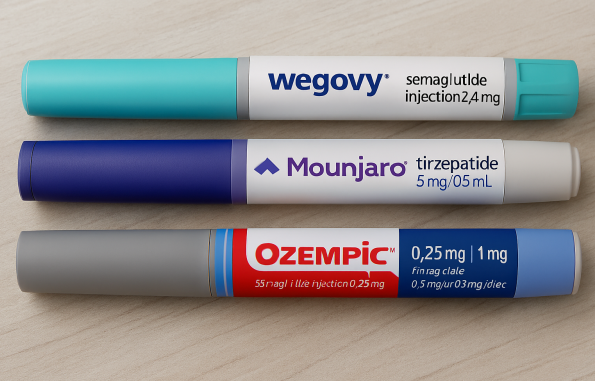
Under the new policy, eligible beneficiaries will pay a $50.00 monthly copay for approved GLP‑1 medications manufactured by Eli Lilly and Novo Nordisk, including Zepbound, Foundayo and Wegovy.
Coverage will be limited to beneficiaries who meet specific medical criteria:
- BMI of 35 or higher
- BMI of 30 or higher with a history of heart failure, uncontrolled hypertension or chronic kidney disease
- BMI of 27 or higher with prediabetes, a previous heart attack or stroke, or symptomatic peripheral artery disease
Federal officials say the temporary program is designed to expand access while Medicare evaluates long‑term cost, outcomes and demand for obesity‑related prescriptions. GLP‑1 medications have surged in popularity nationwide, driven by growing evidence that they can support significant weight loss and reduce certain obesity‑related health risks.
Local Impact: Brunswick, Columbus and Horry Counties
Although the Medicare expansion is national, the effects will be strongly felt across Brunswick, Columbus and Horry counties, where obesity and chronic health conditions remain above statewide averages and Medicare enrollment is high.
In Brunswick and Columbus counties, large retiree populations and elevated rates of hypertension, diabetes and chronic kidney disease mean many local beneficiaries already meet the BMI‑based eligibility criteria. Primary care practices in Shallotte, Leland, Whiteville and Tabor City routinely prescribe GLP‑1 medications for diabetes, and providers expect increased demand now that Medicare will cover these drugs solely for obesity treatment. Local pharmacies are preparing for higher prescription volume and more Part D billing questions as the July 1 start date approaches.
In Horry County, the impact is equally significant. The county continues to report some of the highest obesity and hypertension rates in South Carolina, and areas such as Conway, Carolina Forest, Myrtle Beach and North Myrtle Beach have substantial Medicare Part D enrollment. Many residents receive care through regional medical hubs in both Horry County and nearby Murrells Inlet, where GLP‑1 prescribing is already common. With the new $50.00 copay, fixed‑income seniors and seasonal workers who previously could not afford GLP‑1 medications may now gain access to treatment. Pharmacies across the Grand Strand anticipate increased inquiries and prescription activity throughout the temporary program period.
Disclaimer: This article provides general information about federal health policy and Medicare coverage rules. It is not medical advice. Readers should consult a licensed healthcare provider for guidance on GLP‑1 medications or obesity treatment, and review official Medicare resources or their plan administrator for specific coverage details.
Coastal Carolina News is the updated branding for bcdollarsaver.com.
© 2026 CoastalCarolinaNews.com. All rights reserved.


Be the first to comment