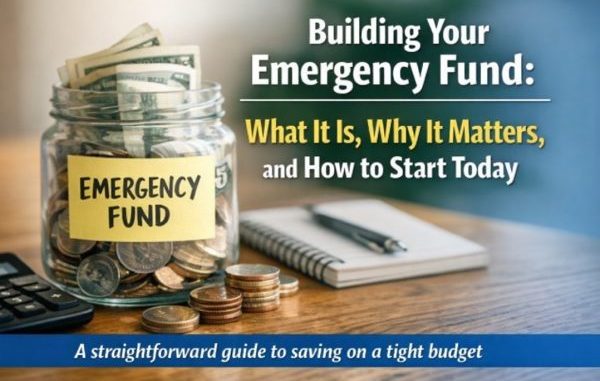
A straightforward look at building an emergency fund, even on a tight budget
Most families know they should have an emergency fund, but the idea often feels out of reach. Rising costs, unexpected bills, and everyday expenses can make saving feel like a luxury. Still, financial counselors say even a small, steady effort can create a safety net that protects households when life takes a turn.
Below is a simple breakdown – what, how, when, and where, to help readers build an emergency fund that actually works.
What Is an Emergency Fund?
An emergency fund is a dedicated pool of money set aside for unexpected expenses, such as:
– Car repairs
– Medical bills
– Sudden job loss
– Home or appliance breakdowns
– Travel for family emergencies
It’s not for vacations, shopping, or everyday bills. Think of it as your household’s “break‑glass‑in‑case‑of‑emergency” account.
Why It Matters
A strong emergency fund:
– Reduces stress during crises
– Prevents reliance on high‑interest credit cards
– Helps families stay stable during job changes or health issues
– Keeps small problems from becoming financial disasters
Even $500 can make a meaningful difference for many households.
How to Start Saving
You don’t need a big income or a perfect budget, just a plan.
1. Set a Realistic Goal
Most experts recommend three to six months of essential expenses, but starting smaller is perfectly fine. Begin with a $500 or $1,000 goal, then build from there.
2. Automate What You Can
Set up automatic transfers – weekly or monthly into a separate savings account. Even $10 – $25 at a time adds up.
3. Cut One Small Expense
Pick something manageable:
– One takeout meal a week
– A subscription you rarely use
– Impulse purchases
Redirect that money straight into your emergency fund.
4. Use “Found Money”
Tax refunds, bonuses, yard‑sale earnings, or overtime pay can jump start your savings without touching your regular budget.
5. Keep It Separate
Store your emergency fund in:
– A basic savings account
– A high‑yield online savings account
– A credit union account
The key is easy access, but not so easy that you’re tempted to spend it.
When to Start
The best time to start is now, even if the amount feels small. Waiting for “the right moment” often means never beginning at all. If you already have a fund, spring is a good time to review your balance, adjust your goals, and make sure your savings still match your household needs.
Where to Keep Your Fund
Banks and credit unions offer low‑fee savings accounts suitable for emergency funds. Many also provide:
– Automatic transfers
– No‑minimum‑balance options
– Mobile banking tools
Online banks may offer higher interest rates, but local institutions provide in‑person support, something many residents prefer when managing essential savings.
Bottom Line
An emergency fund isn’t built overnight. It grows through small, consistent steps that protect your household when life throws the unexpected your way. Whether you’re starting with a crinkled $5.00 or a crisp $50.00 dollar bill, the important part is simply beginning.
—-
Disclaimer: This article is for general informational purposes only and does not constitute financial advice. Readers should consult a licensed financial advisor for guidance specific to their individual circumstances.
© 2026 BCDollarSaver.com. All rights reserved.


Be the first to comment