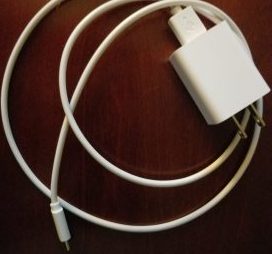
Hidden‑tech charging cords like the O.MG Cable show how everyday items can be used for remote access.
A charging cable that looks no different from the one on your desk has become one of the most talked‑about tools in cybersecurity. Known as the O.MG Cable, the device was created by a security researcher who goes by MG and is designed to show how everyday objects can be turned into hacking tools.
The cable functions like any standard USB cord, but inside is a tiny wireless implant that can allow a remote operator to send commands, capture keystrokes, or access a connected device. Technology reporters such as Lorenzo Franceschi‑Bicchierai of Wired and Dan Goodin of Ars Technica have documented how the cable has been demonstrated at major cybersecurity conferences, including DEF CON, to highlight the growing risks of hardware‑based attacks.
While the O.MG Cable is primarily used by cybersecurity professionals for training and red‑team simulations, experts warn that similar malicious cables could be planted in public places or handed out as freebies. The threat is simple: if a cable looks trustworthy, most people will plug it in without thinking twice.
Cybersecurity specialists recommend a few basic precautions. Bring your own charging cable when traveling, avoid using random or found cords, and consider using a USB data blocking adapter when charging in public spaces.
The O.MG Cable may look ordinary, but its existence underscores a larger trend — cyber threats are increasingly hiding in plain sight.
Awareness, experts say, remains the strongest defense.


Be the first to comment