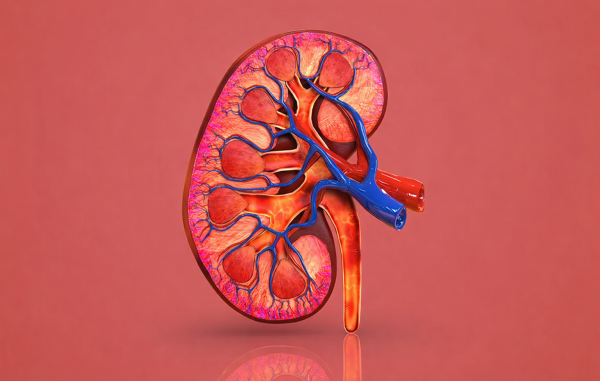
More than 1.4 million Veterans in VA care are living with chronic kidney disease, prompting renewed focus on early screening
By BCNews Staff Writer
March marks World Kidney Month, and VA health leaders are urging Veterans to use the moment to check in on their kidney health, especially since kidney disease often develops silently. Many people don’t experience noticeable symptoms until the condition is advanced, making early testing essential.
Why Veterans Face Higher Kidney Disease Risks
Military service can leave lasting impacts on long‑term health, and chronic kidney disease (CKD) is one of the conditions seen more frequently among Veterans than in the general population. Several health issues that disproportionately affect those who served also increase the likelihood of developing CKD.
Common risk factors include:
• Diabetes
• High blood pressure
• Heart disease
• Occupational or environmental exposures during service
More than half of Veterans diagnosed with CKD also live with diabetes, and a significant number have heart failure or other cardiovascular conditions. Kidney disease itself increases the risk of early mortality, even when other health issues are managed.
VA clinicians encourage Veterans with diabetes, hypertension, heart disease, or a family history of kidney problems to talk with their care team about screening. Testing typically involves a simple blood draw and a urine sample.
How VA Is Strengthening Kidney Health Support
The Department of Veterans Affairs has made kidney health a system‑wide priority. Since 2019, VA has implemented national policies focused on preventing CKD, identifying it earlier, and improving long‑term management.
This year, VA and the Department of Defense updated their joint clinical practice guidelines to better address how military occupational exposures—such as chemicals, burn pits, or other environmental hazards may contribute to kidney damage. The new guidelines also emphasize shared decision‑making, giving Veterans more control and clarity in their treatment plans.
Key VA initiatives include:
• Exposure screening for all enrolled Veterans to identify environmental or occupational risks
• Genetic testing and counseling for those who may have inherited kidney conditions
• Expanded access to home dialysis, allowing Veterans to manage treatment independently
• Integrated kidney care teams that coordinate nephrology, nutrition, pharmacy, primary care, and Whole Health services
• Telenephrology services for Veterans in rural or remote areas, reducing the need for travel
• Partnerships with national kidney organizations to ensure Veterans and providers have the latest resources
Nutrition: A Powerful Tool for Prevention
March is also National Nutrition Month, and VA is highlighting the strong connection between diet and kidney health. Diabetes and high blood pressure—two leading causes of CKD—are heavily influenced by eating habits.
VA dietitians often recommend kidney‑friendly approaches such as the DASH diet or the Mediterranean diet, both of which support heart and kidney function. Veterans can access recipes, nutrition education, and one‑on‑one guidance through VA Nutrition and Food Services.
Steps Veterans Can Take This Month
To support kidney health, VA recommends:
• Scheduling a kidney screening
• Monitoring blood pressure and blood glucose levels
• Reviewing medications with a VA provider
• Asking about personal kidney disease risk
• Taking proactive steps to protect long‑term kidney function
Veterans interested in learning more or requesting a kidney health evaluation can contact their VA primary care team or visit the VA Kidney Medicine Program online.
Source Credit
Information for this article was adapted from VA.gov
Medical Disclaimer
This article is for general informational purposes only and is not a substitute for professional medical advice, diagnosis, or treatment. Veterans should consult their VA health care provider for guidance specific to their health needs.
© 2026 BCDollarSaver.com. All rights reserved.


Be the first to comment