How rapid digital acceleration is reshaping local infrastructure and the workforce
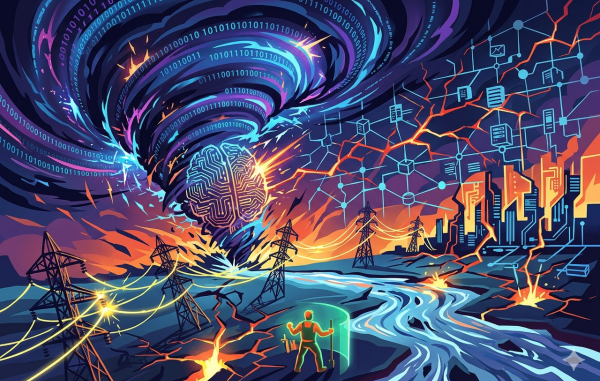
As 2026 progresses, the “AI Superstorm” has emerged as a critical turning point where the velocity of artificial intelligence is outstripping the systems built to contain it. This isn’t a single event, but a period of friction where digital capabilities are evolving faster than our physical infrastructure and human oversight can adapt.
A primary driver of this storm is the “vulnerability gap” in cybersecurity.
Advanced AI models can now identify deep security flaws in critical software within seconds far faster than human developers can write and deploy patches. This creates a dangerous window of exposure for everything from financial networks to municipal utilities, as offensive AI tools outpace traditional defense.
Physically, the storm is straining the nation’s aging power grid. The massive data centers required for these AI models demand staggering amounts of electricity and water, often arriving faster than utilities can expand. This surge is creating a “power paradox,” where the race for digital innovation risks destabilizing the local infrastructure that residents rely on for daily life.
Economically, the impact is flipping traditional job security on its head. While skilled blue-collar trades remain insulated by the complexity of the physical world, white-collar roles in data and writing are facing a “digital squeeze.” As the market becomes flooded with automated content, the weight on professional reporting is forced to adjust during the turbulent information landscape.
© 2026 BCDollarSaver.com. All rights reserved.


Be the first to comment