South Carolina enforces a full hands‑free mandate while North Carolina maintains its texting ban
By BCNews Staff Writer
Drivers crossing between the Carolinas in 2026 face two very different sets of rules on cell phone use behind the wheel.
South Carolina now enforces a full hands‑free law that bans holding a phone while driving, while North Carolina continues to allow most handheld use for adults but still prohibits texting statewide.
South Carolina’s Hands‑Free and Distracted Driving Act, passed in 2025, took effect on September 1 of that year. The state spent six months issuing warnings, but full enforcement will begin on February 28, 2026.
The law makes it illegal for drivers to hold or support a phone or electronic device with any part of the body, even when stopped at a red light or in traffic. It also bans texting, typing, scrolling, watching or recording video, and it applies to tablets and laptops as well.
Officers may stop a vehicle solely for a hands‑free violation.
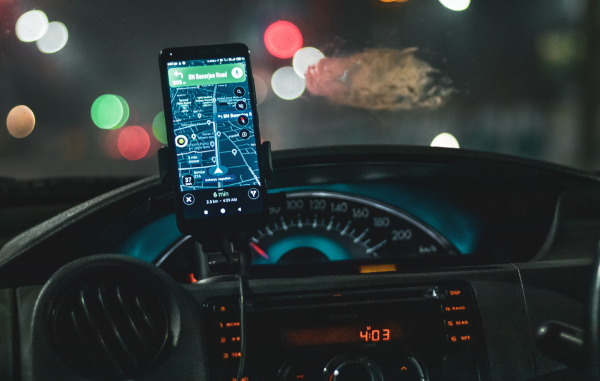
Hands‑free operation remains allowed through Bluetooth, integrated vehicle systems, and voice commands. Drivers may use a mounted device for navigation, and the law permits a single touch to start or end a call as long as the phone stays secured.
North Carolina, meanwhile, has not adopted a full hands‑free requirement for adults. The state continues to enforce its long‑standing texting ban, which makes it illegal for any driver to manually enter text or email while a vehicle is moving. This remains a primary offense, allowing officers to initiate a stop based solely on texting.
North Carolina also maintains restrictions. Drivers under 18 may not use a phone at all, whether handheld or hands‑free, except when communicating with a parent or guardian or during an emergency. Adult drivers may still hold a phone to talk, use GPS, or interact with mounted devices, though unsafe handling can still lead to citations under careless or reckless driving laws.
Some recent headlines have caused confusion by referencing new “cell phone restrictions” in North Carolina, but those reports refer to House Bill 959, which requires public schools to adopt student phone‑use policies by January 1, 2026. That law applies to school settings, not roadways.
For motorists who travel between the two states, the difference is straightforward. South Carolina now requires fully hands‑free operation, while North Carolina continues to allow handheld phone use for adults but prohibits texting.
Drivers are encouraged to understand the rules on both sides of the border to avoid fines and ensure safer travel.
© 2026 BCDollarSaver.com. All Rights Reserved.


Be the first to comment