Local clinicians outline practical do’s and don’ts for long‑term joint health
By BC News Staff Writer
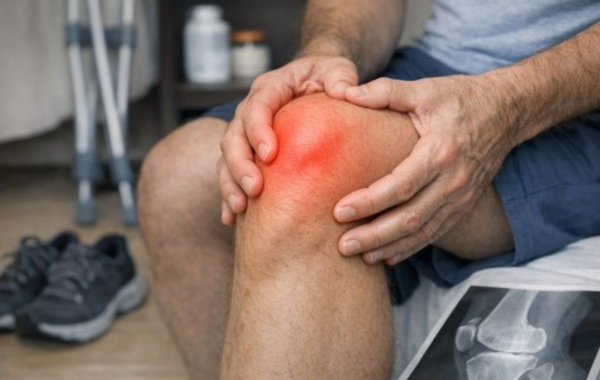
Understanding a common local health challenge, chronic knee pain affects many residents across Brunswick and Columbus counties, especially those who work long hours on their feet or manage arthritis. Clinicians say everyday habits often determine whether symptoms improve or worsen.
Strengthening the muscles that support the knee helps reduce strain and improve stability. Controlled, low‑impact movements such as seated lifts or gentle resistance work build support without overwhelming the joint.
Choosing low‑impact movement over high‑impact stress protects the knee while maintaining mobility. Walking on even surfaces, cycling, swimming, and water aerobics keep joints active without excessive pressure.
Managing weight to reduce joint pressure remains one of the most effective ways to ease chronic discomfort. Even modest weight loss can significantly decrease the load placed on the knee with every step.
Using heat and ice the right way helps control stiffness and swelling. Ice reduces inflammation after activity, while heat loosens tight muscles before movement, and alternating the two can ease flare‑ups.
Wearing footwear that protects the joint improves alignment and reduces impact. Supportive shoes with proper cushioning and arch structure can noticeably reduce daily strain.
Recognizing when pain signals a problem is essential. Sharp or escalating pain, swelling, locking, or instability may indicate ligament or cartilage issues that need medical evaluation.
Avoiding activities that aggravate the joint helps prevent setbacks. High‑impact workouts, deep squats, and uneven terrain can worsen symptoms, while long periods of inactivity weaken the muscles that protect the knee.
Knowing when to seek medical care can protect long‑term mobility. Providers recommend evaluation if pain lasts more than a few weeks, interferes with daily tasks, or comes with swelling, warmth, or instability.
Taking a community approach to mobility and well‑being, clinicians note that chronic knee pain affects households, workplaces, and overall quality of life. Understanding what helps and what harms empowers residents to stay active and independent.
Disclaimer
This article provides general health information and is not a substitute for professional medical evaluation, diagnosis, or treatment. Residents experiencing persistent or worsening knee pain should consult a licensed healthcare provider for guidance specific to their condition.
© 2026 BCDollarSaver.com. All rights reserved.


Be the first to comment