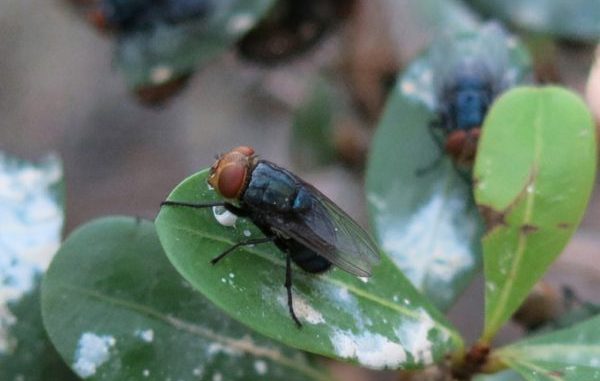
How a Tiny Fly with a Big Name Could Devastate North Carolina’s Food Supply
RALEIGH, NC — The word “screwworm” might sound like a quirky DIY hardware store find or a bad 1950s sci-fi flick, but in North Carolina, it is a name that makes farmers break into a cold sweat. This isn’t your average backyard maggot; the New World Screwworm is a biological “man-eater” that target living tissue rather than decaying matter.
The fly enters tiny scratches on cattle, pets, or even humans, using screw-like ridges on its body to burrow deep into its host. While we successfully eradicated this parasite from the U.S. in the 1960s, a massive 2026 outbreak moving through Central America and Mexico has put our borders and our barbecues on high alert.
The “fun” ends abruptly when you look at the dinner plate. North Carolina is a national titan in the hog and cattle industries, and a screwworm infestation is a direct assault on our meat supply. This parasite doesn’t just make animals sick; it can kill a healthy cow in less than two weeks if left untreated.
If these flies gain a foothold in the state, the resulting quarantines and loss of livestock would cause meat prices to skyrocket and lead to devastating shortages at local grocery stores. We aren’t just protecting animal welfare; we are protecting the integrity of the state’s food chain.
To fight back, the USDA has launched a $100 million “Grand Challenge” to reinforce our biological defenses. The primary weapon is a sophisticated form of “insect birth control” — scientists release millions of sterile male flies to ensure wild populations cannot reproduce. While this “biological wall” is being reinforced at the border, the NC Department of Agriculture (NCDA) is monitoring transport routes and ports of entry, knowing that one “hitchhiking” fly on a trailer could trigger an economic catastrophe for our state’s farmers.
Vigilance is our only safety net. State officials are calling on every North Carolinian from hikers and hunters to backyard pet owners to be an extra set of eyes. If you see an animal with a wound that won’t heal, emits a foul odor, or contains visible, screw-shaped larvae, do not wait. Report it immediately to the NC State Veterinarian’s office at 919.707.3250.
It might sound like a weird name for a bug, but the threat to our state’s agriculture and your next steak dinner is as serious as it gets.
© 2026 CoastalCarolinaNews.com. All rights reserved.


1 Trackback / Pingback