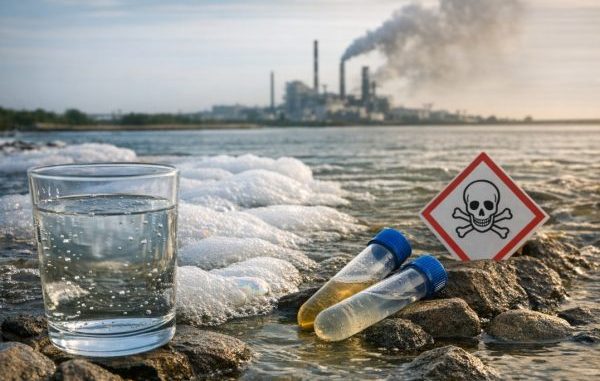
Brunswick County’s new reverse-osmosis system now removes regulated PFAS to non-detectable levels—but experts say ongoing monitoring is essential, and no system can guarantee complete elimination of all PFAS compounds.
By BC News Staff Writer
BRUNSWICK COUNTY, NC — Brunswick County’s upgraded reverse‑osmosis system is now fully operational, delivering water with non‑detectable levels of regulated PFAS compounds. The Northwest Water Treatment Plant completed its overhaul in December 2024, with full service beginning in early 2025.
The facility is one of the largest low‑pressure RO systems in the US, built to remove PFAS, GenX, and other industrial contaminants from the Cape Fear River, a source long impacted by upstream pollution from Chemours.
PFAS Exposure: Brunswick County has faced some of the highest PFAS levels in the nation. Communities including Oak Island, Ocean Isle Beach, Sunset Harbor, and Lockwood Folly all receive water from the county system. A multi‑state study found multiple PFAS compounds in Ocean Isle Beach’s tap water, including several not tracked by EPA.
The new RO system now removes regulated PFAS to non‑detectable levels — a major public health improvement.
What “Non‑Detectable” Really Means non‑detectable indicates PFAS levels are below lab detection limits, not that all PFAS are gone. Thousands of PFAS compounds exist, and current testing covers only a fraction. RO systems remove most known PFAS, but ultra‑short‑chain variants may persist.
Experts emphasize that ongoing monitoring is essential.
Health Impacts – Long‑term PFAS exposure has been linked to:
– Elevated cholesterol
– Immune system effects
– Pregnancy‑related hypertension
– Thyroid disruption
– Certain cancers
However, exposure does not guarantee illness. No test can predict future disease from PFAS, and health agencies recommend general monitoring, not alarm.
Progress and Accountability — Brunswick County’s water is now treated with advanced PFAS‑removal technology – Lawsuits against Chemours and DuPont seek to recover treatment costs – North Carolina is expanding PFAS monitoring and public hearings – Researchers are developing next‑generation PFAS destruction methods – Public awareness and advocacy continue to drive change.
What Residents Should Know
– Regulated PFAS compounds are now non‑detectable at the plant.
– No system can guarantee removal of every PFAS type.
– Past exposure does not automatically mean future illness.
– Seek guidance from your healthcare providers, who can offer general monitoring.
Brunswick County’s investment in RO marks a turning point in a long‑running environmental crisis and offers reassurance to families who’ve spent years wondering what was in their water.
© 2026 BCDollarSaver.com. All rights reserved.


Be the first to comment