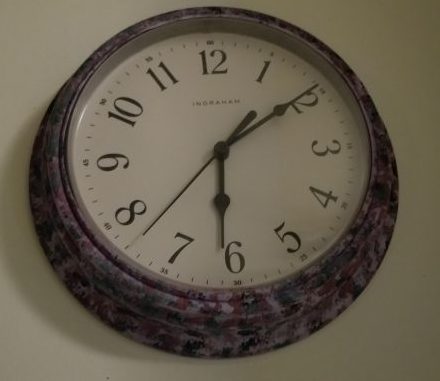
House‑passed daylight saving bill brings longer evening light but darker school‑hour mornings across rural roadways.
By Coastal Carolina News Staff Writer
July 15, 2026
The most immediate impact to the Carolina’s would be later winter sunrises. Under permanent DST, sunrise would fall between 8:20 and 8:35 a.m. during December and January. That shift places school bus routes, high‑school start times, and early‑shift commutes squarely in pre‑sunrise darkness for longer stretches of the year.
Local law enforcement and EMS agencies typically report higher crash risks during extended darkness periods, a window that would lengthen under permanent DST.
Evening conditions, however, would brighten. Sunset would extend past 6:30 p.m. in winter and well beyond 8:00 p.m. in spring and summer, offering a boost to coastal tourism and retail activity. Businesses from restaurants to golf courses to seasonal shops could see increased off‑season foot traffic with more daylight available after work hours.
Youth sports leagues and county recreation programs would also gain additional usable daylight, particularly during early‑spring practice seasons. For coastal communities such as Holden Beach, Sunset Beach, North Myrtle Beach the later daylight could support longer visitor activity periods and extended service hours.
Agriculture operations in Columbus County may experience minimal disruption, as most farm schedules already operate independently of clock time. However, school‑age workers and transport schedules could be affected by darker mornings.
The Senate is expected to review the measure later this year. If approved and signed by the President, the change would take effect nationwide, with Hawaii and most of Arizona continuing to observe permanent standard time.
Coastal Carolina News is the updated branding for bcdollarsaver.com.
© 2026 CoastalCarolinaNews.com. All rights reserved


Be the first to comment