
Novant Health specialist explains risks, symptoms, and precautions for Carolinas residents
By BC News Staff
North Carolina — Recent headlines about an international outbreak involving the Andes strain of Hantavirus have raised understandable questions about how the illness spreads and whether people in the Carolinas should be concerned. Health officials emphasize that Hantavirus infections remain extremely rare, but the Andes strain is notable because it is one of the few known to allow limited person‑to‑person transmission.
Most Hantavirus cases occur after exposure to rodent droppings, urine, nesting materials, or bites. The virus can cause severe respiratory illness and, in some cases, can be fatal. However, experts stress that typical outdoor activities, yardwork, and day‑to‑day routines do not put most people at risk.
According to Dr. Nazario Rivera‑Chaparro, a pediatric infectious disease specialist with Novant Health, the current outbreak involves confirmed cases abroad, not in North Carolina or South Carolina. He notes that the illness remains uncommon and that simple precautions can significantly reduce risk.
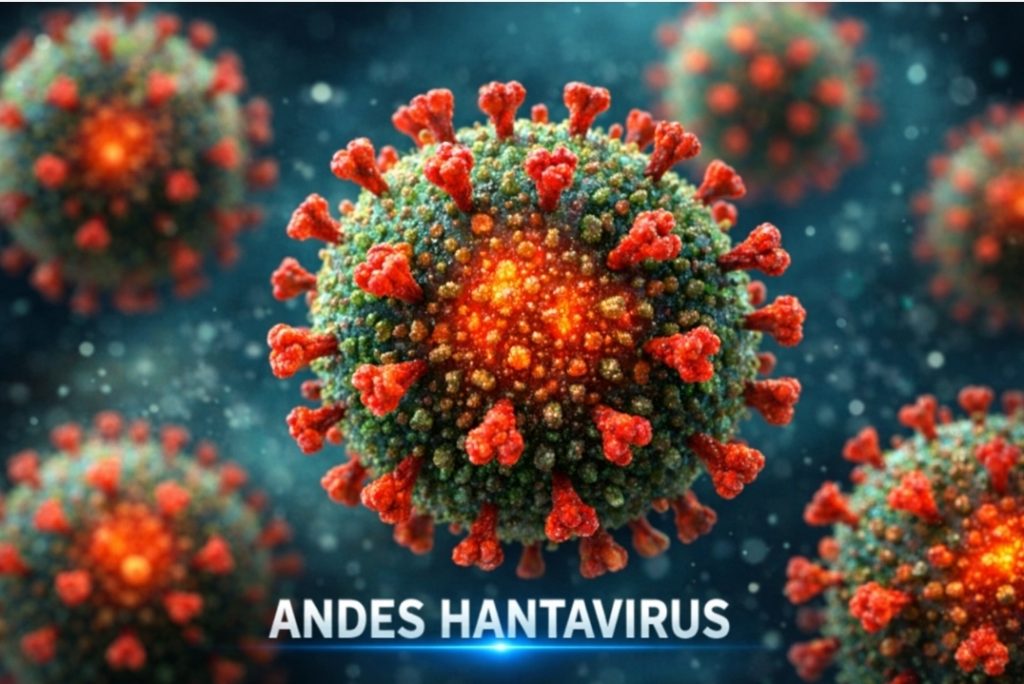
How the Andes strain differs
– It is the only known Hantavirus strain with documented person‑to‑person spread.
– Transmission requires close, prolonged contact, according to global health agencies.
– No cases tied to this outbreak have been reported in the Carolinas.
Precautions recommended by Novant Health
Avoid contact with rodents and rodent droppings.
Use caution when cleaning areas with signs of infestation.
Wash hands thoroughly after outdoor or storage‑area cleanup.
Consider wearing a mask when cleaning enclosed spaces where rodents may be present.
These steps align with long‑standing public health guidance and are especially important for people cleaning sheds, barns, attics, or unused buildings.
Local risk remains low – Health officials say the Andes strain is not circulating locally, and the illness is not easily spread. For most residents, the risk remains minimal. Still, staying informed and taking basic precautions remains the best way to prevent rodent‑borne illnesses of any kind.
Disclaimer: This article is for informational purposes only and is not a substitute for professional medical advice, diagnosis, or treatment. Readers should consult a qualified healthcare provider with any questions about symptoms or exposure concerns.
© 2026 BCDollarSaver.com. All rights reserved.


Be the first to comment