RALEIGH, NC — The North Carolina Department of Agriculture and Consumer Services (NCDACS) has enacted new interstate movement restrictions for warm‑blooded animals entering the state following the confirmed detection of New World Screwworm in parts of Texas and New Mexico.
The order applies statewide, including Brunswick County, Columbus County, and all surrounding regions. It covers livestock, horses, dogs, cats, and all other warm‑blooded animals brought into North Carolina from any area designated as a New World Screwworm (NWS) Infested Zone.
State Veterinarian Mike Martin said the restrictions are a precautionary measure intended to prevent the parasite from entering North Carolina’s livestock, pet, and wildlife populations.
Requirements for Entry into North Carolina
Animals originating from an NWS Infested Zone must:
- Meet all standard North Carolina import requirements.
- Comply with the federal NWS National Continuity of Business Standardized Animal Movement Guidance.
- Be accompanied by an Interstate Certificate of Veterinary Inspection (ICVI) issued by an accredited veterinarian and valid for no more than seven days.
- Include the required statement on the ICVI:
“All animals listed have been inspected and found free of evidence of NWS infestation.” - Obtain an entry permit number at least 48 hours before movement by emailing NC‑ICVI@ncagr.gov during weekday business hours.
Animals entering from a federally designated Surveillance Zone must also carry an ICVI with the same inspection statement and meet all standard import rules.
The local restrictions affect:
- Livestock producers in Brunswick and Columbus counties
- Horse owners transporting or receiving animals from affected states
- Pet rescues and shelters importing dogs and cats
- Veterinarians issuing or reviewing ICVI documentation
- Animal haulers and transport groups operating across state lines
No cases have been detected in North Carolina. The order is preventive, following the first confirmed U.S. detection on June 3, 2026, in a calf in Zavala County, Texas, with additional cases later identified in other Texas counties and in New Mexico.
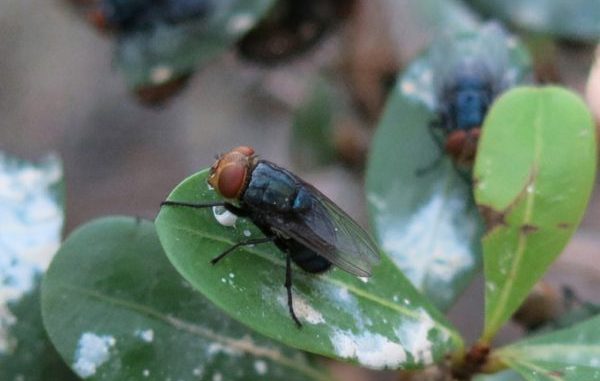
NWS is a reportable disease in the U.S. that can affect livestock, pets, wildlife, and, in rare cases, people and birds. The larvae feed on living tissue and can cause severe injury or death if not treated. Current restrictions are in place to keep the pest from entering North Carolina, according to the N.C. Department of Agriculture and Consumer Services.
Suspected Cases should be reported to a local veterinarian or to NCDACS at 919.707.3250
© 2026 CoastalCarolinaNews.com. All rights reserved.


Be the first to comment