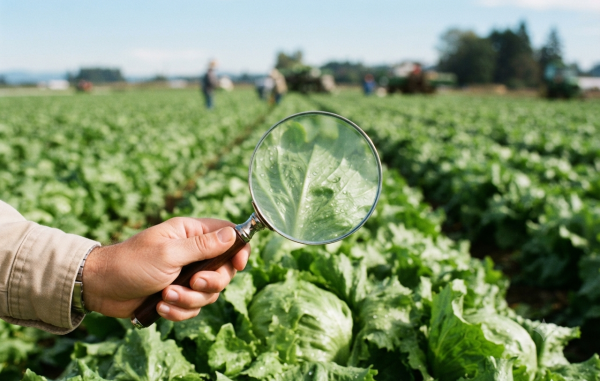
Low‑lying produce and imported lettuce remain under scrutiny while safer alternatives are identified for Carolina consumers
By Coastal Carolina News Staff Writer
A rise in cyclospora‑related gastrointestinal illness across the Carolinas continues to challenge federal investigators as they work to determine how contaminated produce entered the U.S. food supply. While one confirmed traceback has linked a portion of cases to iceberg lettuce imported from Mexico, health officials caution that the current surge is not tied to a single farm or product.
Several clusters appear unrelated, indicating multiple contamination points across different supply chains.
Cyclospora is a microscopic parasite spread exclusively through human fecal contamination in water. Farms do not intentionally irrigate with sewage; contamination typically results from failing wastewater systems, stormwater overflows, leaking municipal infrastructure, or unregulated water sources used in agricultural regions.
Mexico remains a more common origin for cyclospora contamination due to inconsistent wastewater treatment and irrigation canals that run near populated areas. The United States maintains stronger oversight, but contamination can still occur during heavy rain events or through aging sewer systems.
Low‑lying field crops are the most vulnerable because irrigation splash and runoff can reach the edible portion of the plant.
Lettuce, spinach, cilantro, basil, and strawberries are repeatedly implicated in national outbreaks, especially when consumed raw. Washing does not reliably remove the parasite, and the broad surface area of leafy greens makes contamination difficult to detect and eliminate.
Higher‑growing or naturally protected produce remains far safer.
Apples, bananas, melons, and tree fruit grow well above the soil and have protective skins or rinds that prevent contamination from reaching the edible portion. Regular onions and potatoes are considered very low risk, especially when cooked, as heat destroys cyclospora. Green onions carry slightly more exposure because they grow above ground, but they are not a common vehicle and become fully safe when cooked.
Frozen and canned produce also remain safe options.
Industrial blanching, flash‑freezing, and commercial canning processes eliminate cyclospora, making frozen berries, canned vegetables, and frozen greens reliable alternatives while investigations continue.
Federal agencies are conducting environmental sampling, supply‑chain mapping, and interviews with growers and distributors to determine additional sources. With multiple clusters showing no connection to the confirmed lettuce traceback, officials expect the investigation to continue through the summer. Local health departments advise residents to exercise caution with raw, low‑lying produce until federal findings are complete.
Sources: (FDA) Outbreak advisories and supply-chain traceback findings regarding the multi-state Cyclospora investigation tied to imported iceberg lettuce from central Mexico, (CDC) Epidemiological tracking, seasonal surveillance data regarding summer gastrointestinal clusters, and parasite biology guidelines.
© 2026 CoastalCarolinaNews.com. All rights reserved.


Be the first to comment