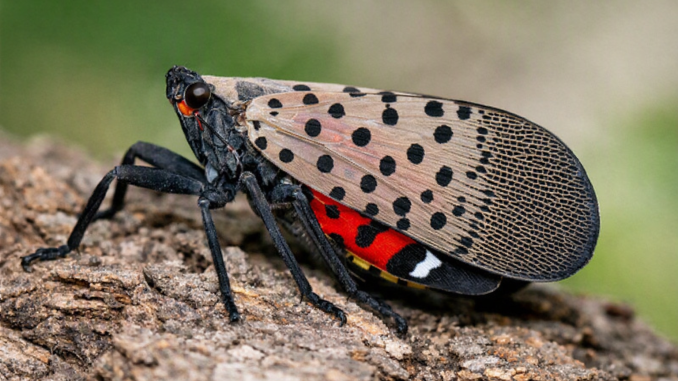
Forest Service urges vigilance as invasive pest spreads through central North Carolina
OAK ISLAND, NC — The spotted lanternfly, an invasive insect known for damaging grapes, fruit trees, and hardwoods, has not been detected in Brunswick County, according to the N.C. Forest Service and the N.C. Department of Agriculture & Consumer Services. State officials say the pest remains confined to central North Carolina, but any sighting along the coast would be treated as a high‑priority detection due to its rapid spread in other states.
The Forest Service reports that confirmed lanternfly populations are currently limited to Forsyth, Guilford, Rockingham, Davidson, Caldwell, Caswell, and Rowan counties. No coastal counties — including Brunswick, New Hanover, Pender, Columbus, or Horry — have reported verified detections.
Although the insect has not reached southeastern North Carolina, Brunswick County carries several risk factors noted by state officials.
Tree‑of‑Heaven, the lanternfly’s preferred host plant, is present throughout the region, and heavy tourism traffic increases the likelihood of the pest hitchhiking on vehicles, RVs, boats, or outdoor equipment. Local vineyards, fruit trees, and ornamental plantings could be affected if the insect becomes established.
Residents are encouraged to watch for egg masses that resemble gray, mud‑like smears on trees or outdoor items; nymphs appearing from May through September; and adults present from midsummer into winter. Sooty mold buildup beneath trees can also indicate an infestation.
Officials urge anyone who suspects a spotted lanternfly to take clear photos and report the sighting to the NCDA&CS Plant Industry Division. They also advise avoiding movement of vehicles, firewood, or outdoor items where the insect or its eggs may be attached. In counties without confirmed populations, state agencies encourage killing the insect if it can be done safely.
Brunswick County remains free of spotted lanternfly, but state officials emphasize continued vigilance. Early detection is considered essential to preventing the pest from establishing along the coast, where it could threaten agriculture, landscaping, and natural resources.
Sources: NC Forest Service; NCDA&CS; USDA APHIS
© 2026 CoastalCarolinaNews.com. All rights reserved.


Be the first to comment