Raleigh NC – State health officials urge residents to take precautions as mosquito season hits its peak
North Carolina health officials are investigating the state’s first confirmed case of West Nile virus disease in 2026, with the infected individual identified as a Gaston County resident, the N.C. Department of Health and Human Services announced this week.
In addition, a West Nile virus-positive blood donor was identified in Mecklenburg County through routine blood supply screening. NCDHHS said no further personal information about either individual would be released to protect their privacy.
The cases come as state laboratory testing has already detected West Nile virus in mosquito populations across Cabarrus, Forsyth and Mecklenburg counties — findings that officials say arrived earlier in the summer than historical patterns typically show.
“This is the time of year when West Nile virus activity usually increases across our state,” said Michael Doyle, NCDHHS Public Health Entomologist. “These early indicators in the greater Charlotte area highlight the importance of preventing mosquito bites all over North Carolina.”
What You Need to Know
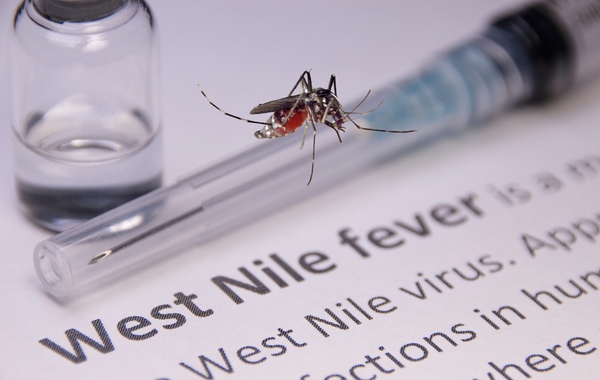
West Nile virus is carried by wild birds and transmitted to humans through the bite of an infected mosquito. It cannot spread from person to person.
The majority of people infected — roughly four out of five — will experience no symptoms at all. About one in five will develop a fever accompanied by headache, body aches and joint pain. However, approximately one in 150 people will develop a serious neurological illness, with symptoms that can include high fever, neck stiffness, disorientation, seizures and paralysis.
Elderly individuals and those with weakened immune systems face the greatest risk of severe illness. There is currently no vaccine for West Nile virus and no medication to cure the disease once contracted. Anyone who suspects infection is urged to contact their health care provider.
How to Protect Yourself
The mosquitoes most likely to carry West Nile virus are active statewide from dusk to dawn. NCDHHS recommends the following steps to reduce exposure:
- Use EPA-registered insect repellent, particularly after sunset, and reapply according to label directions.
- Eliminate standing water around your home after every rainfall — tip out saucers under flowerpots, buckets, toys and tires.
- Change water in birdbaths and pet bowls at least twice a week.
- Keep gutters clean and replace corrugated downspout extensions with smooth ones to prevent mosquito breeding.
- Ensure window and door screens fit tightly and are free of tears.
- Treat unavoidable standing water with EPA-approved larvicides.
For more information, visit the NCDHHS West Nile Virus webpage at ncdhhs.gov or the CDC’s West Nile virus resource page at cdc.gov.
© 2026 CoastalCarolinaNews.com. All rights reserved


Be the first to comment