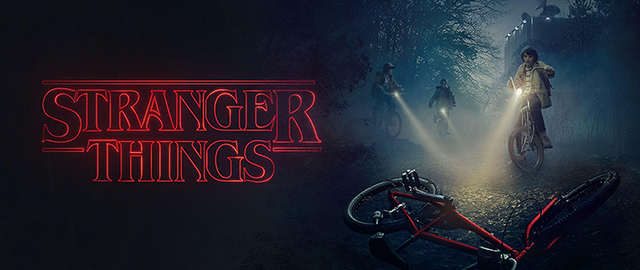
Stranger Things is a cultural phenomenon that has managed to captivate audiences since its debut in 2016. By blending elements of science fiction, horror, and coming-of-age drama, the Duffer Brothers created a series that feels both nostalgic and refreshingly original. It is an ambitious project that has only grown in scope and scale with each passing season. The show begins in the quiet, fictional town of Hawkins, Indiana, during the 1980s. The atmosphere is immediately thick with references to the films and literature of that era, from Steven Spielberg to Stephen King. This aesthetic choice is not merely a gimmick; it provides a warm, tactile foundation upon which the dark, supernatural narrative is built.
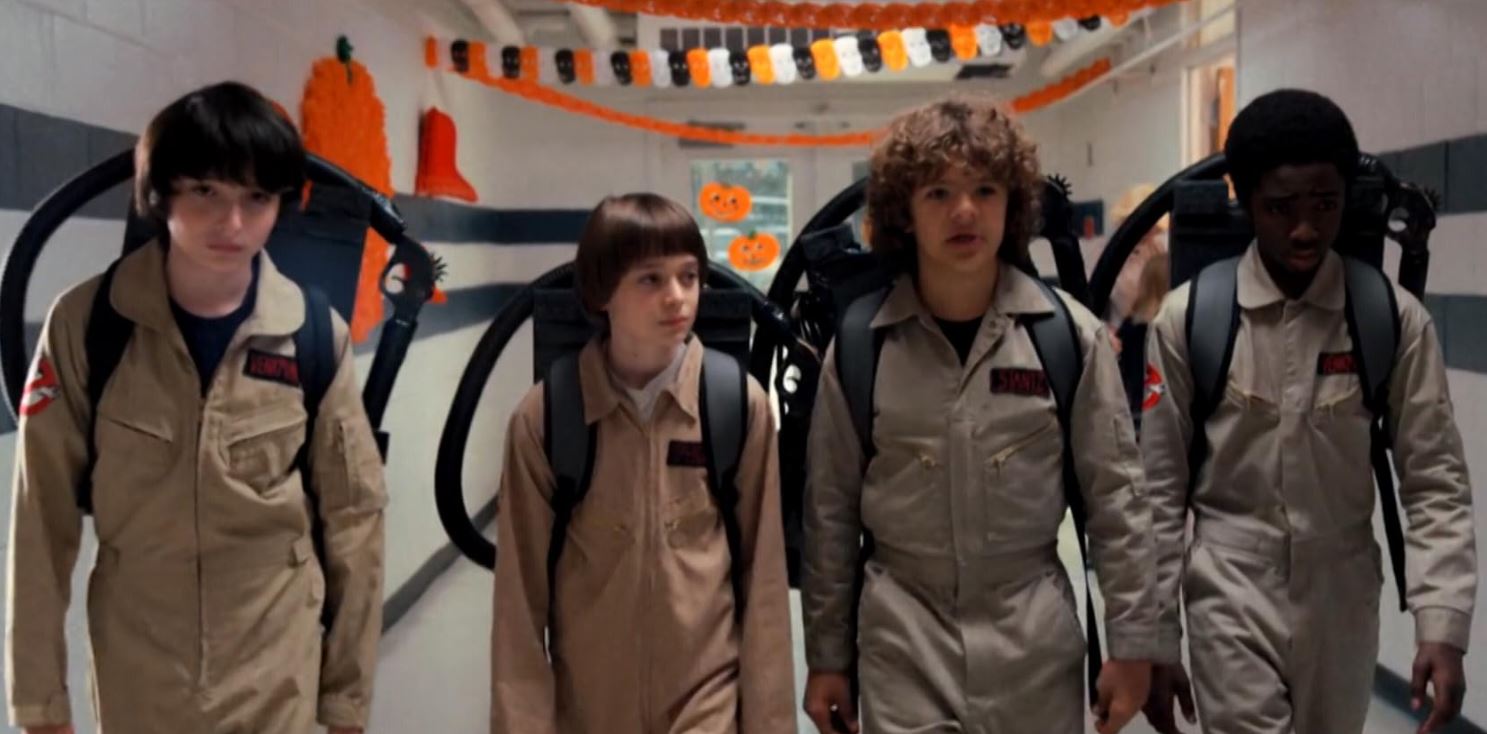
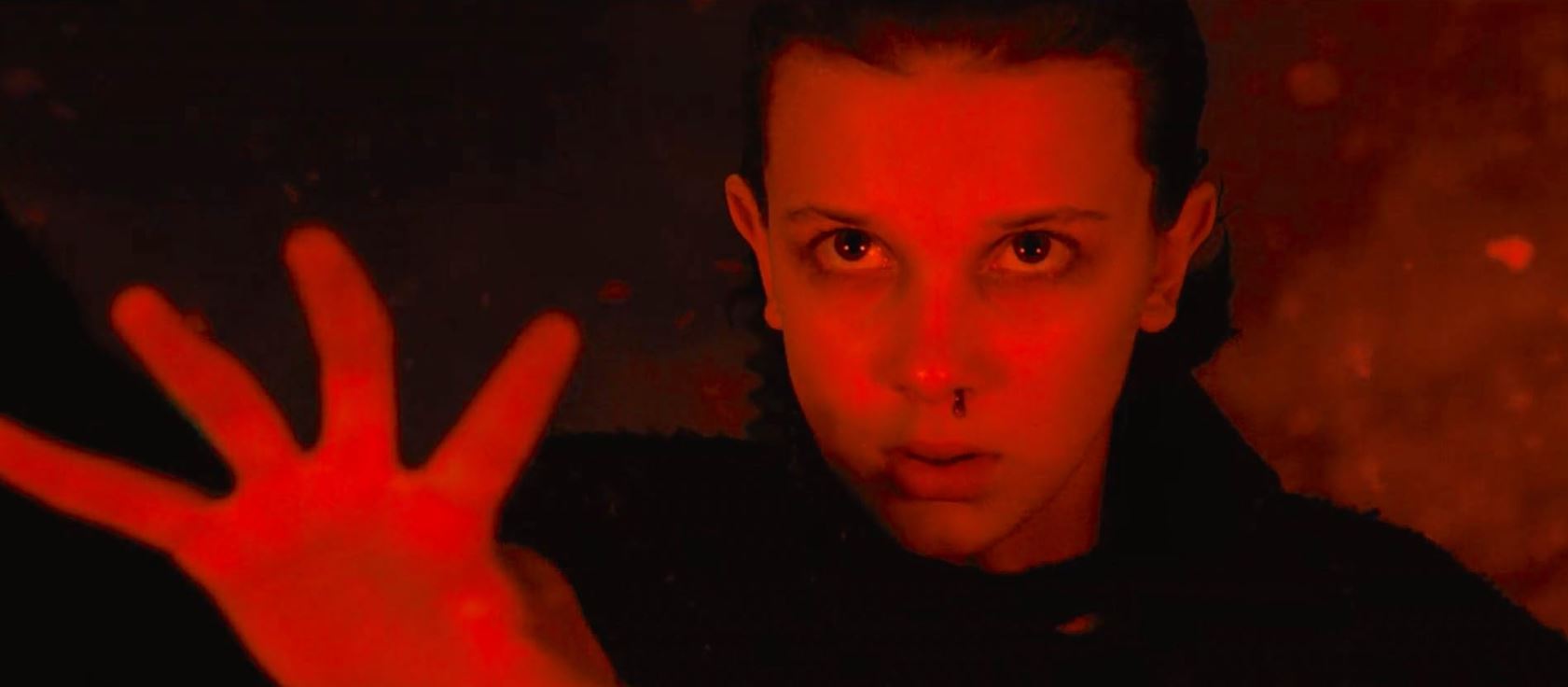
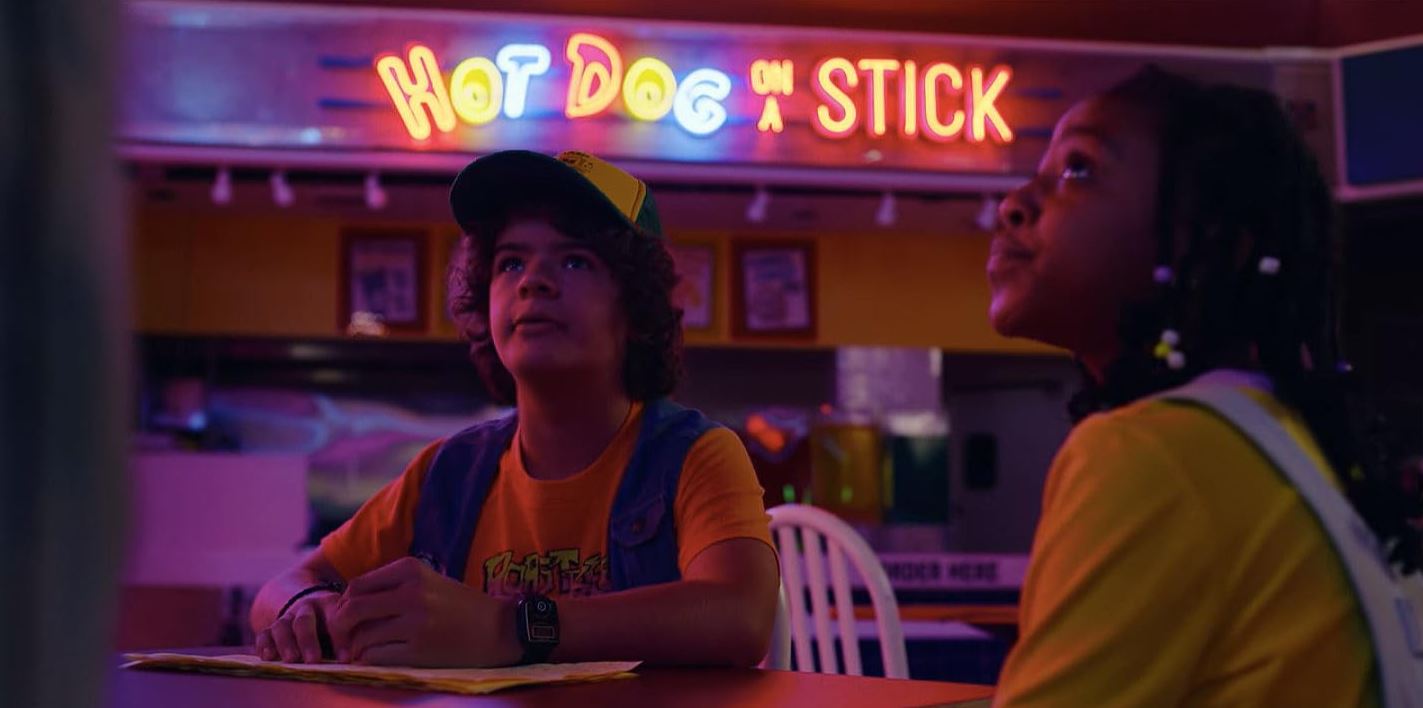
One of the show’s greatest strengths is its core ensemble of child actors. When the series started, the chemistry between the group of friends—Mike, Dustin, Lucas, and Will—was electric. Watching their dynamic evolve from simple board-game-playing kids into battle-hardened survivors makes the stakes feel incredibly personal and genuinely high. Millie Bobby Brown’s portrayal of Eleven remains a high point throughout the series. Her ability to convey profound emotion and trauma with minimal dialogue is a testament to her talent. She is the anchor of the show, representing the intersection of human vulnerability and terrifying, uncontrollable power.
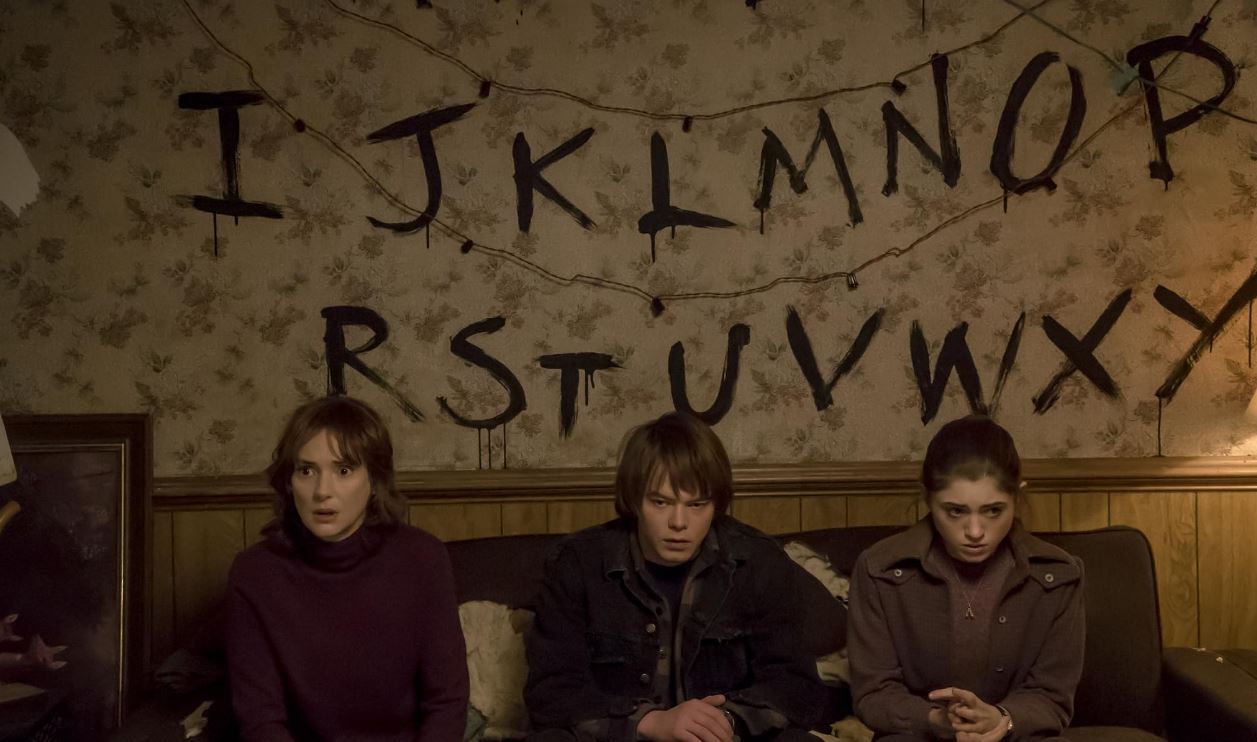
The supporting cast, particularly the adults, adds a necessary layer of grounded reality to the chaos. Winona Ryder’s performance as Joyce Byers is raw and frantic, perfectly capturing the desperation of a mother searching for her lost son. David Harbour, playing Chief Jim Hopper, provides the perfect foil with his gruff exterior and hidden soft spot.
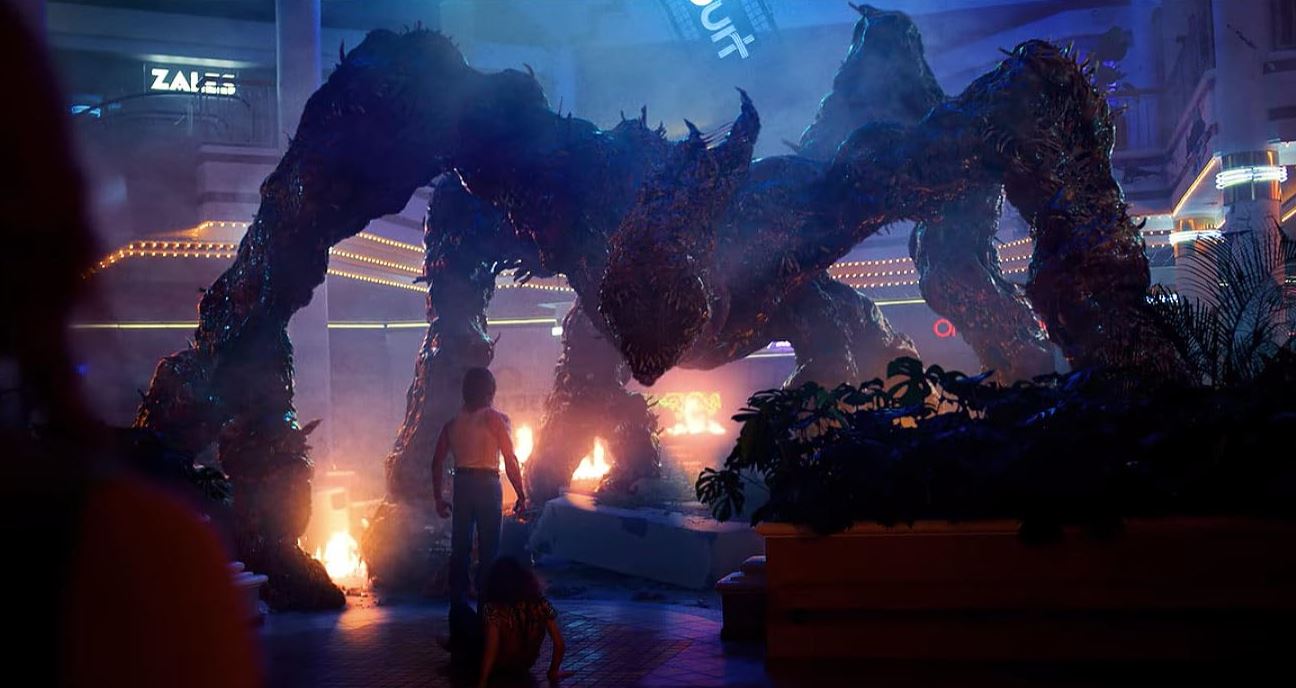
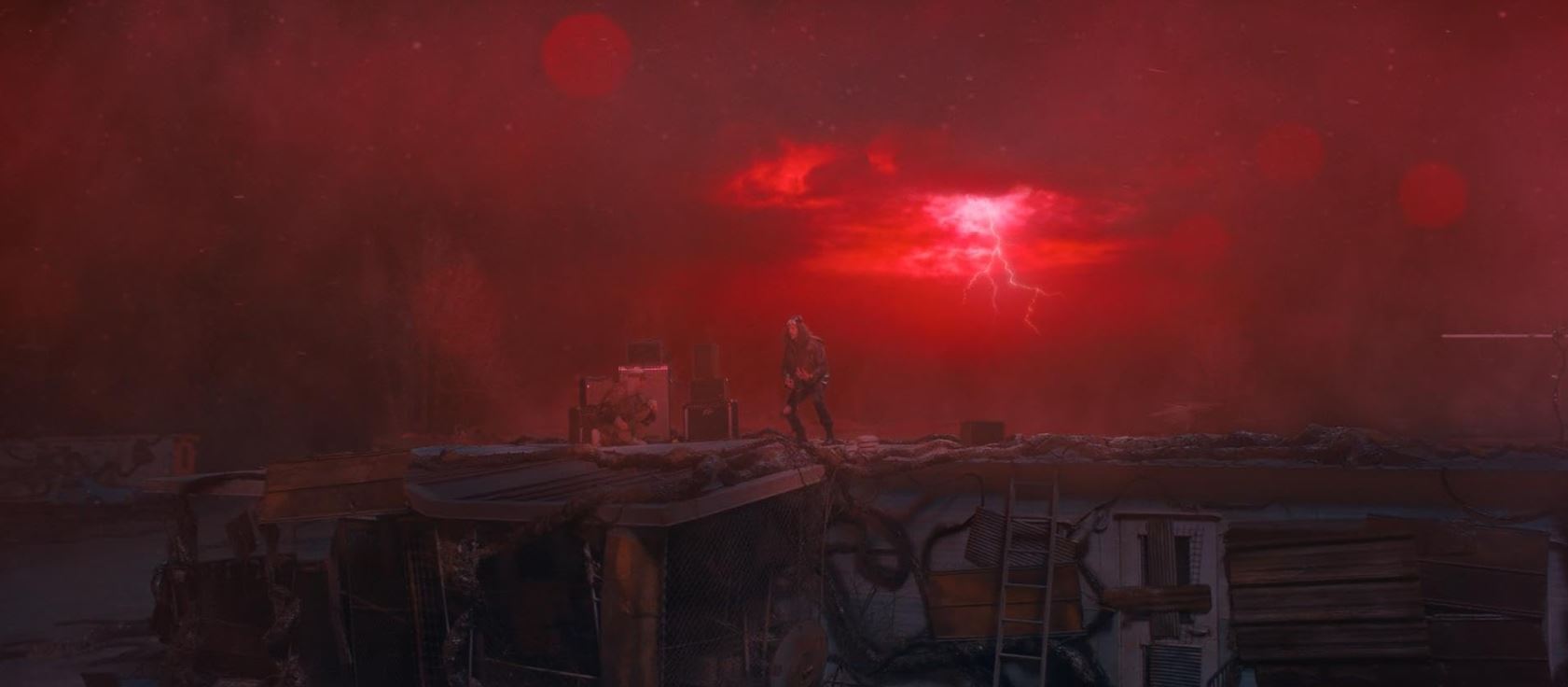
Visually, the show—and specifically the portrayal of the “Upside Down”—is a masterclass in tone. The juxtaposition of the vibrant 80s suburbs with the decaying, ash-filled parallel dimension creates a sense of dread that is palpable. The cinematography consistently elevates the material, turning mundane locations into playgrounds for horror.
The soundtrack, composed by Kyle Dixon and Michael Stein, is another standout feature. Its pulsing synthesizers define the auditory experience of the show, immediately transporting the viewer back to a decade that feels simultaneously familiar and alien. It is a score that does as much heavy lifting for the atmosphere as any visual effect.
Narratively, the show balances multiple plot threads with impressive dexterity. Whether the characters are dealing with government conspiracies, teenage romance, or otherworldly monsters, the pacing rarely flags. It manages to keep the viewer guessing while maintaining a consistent internal logic that rewards long-term fans.
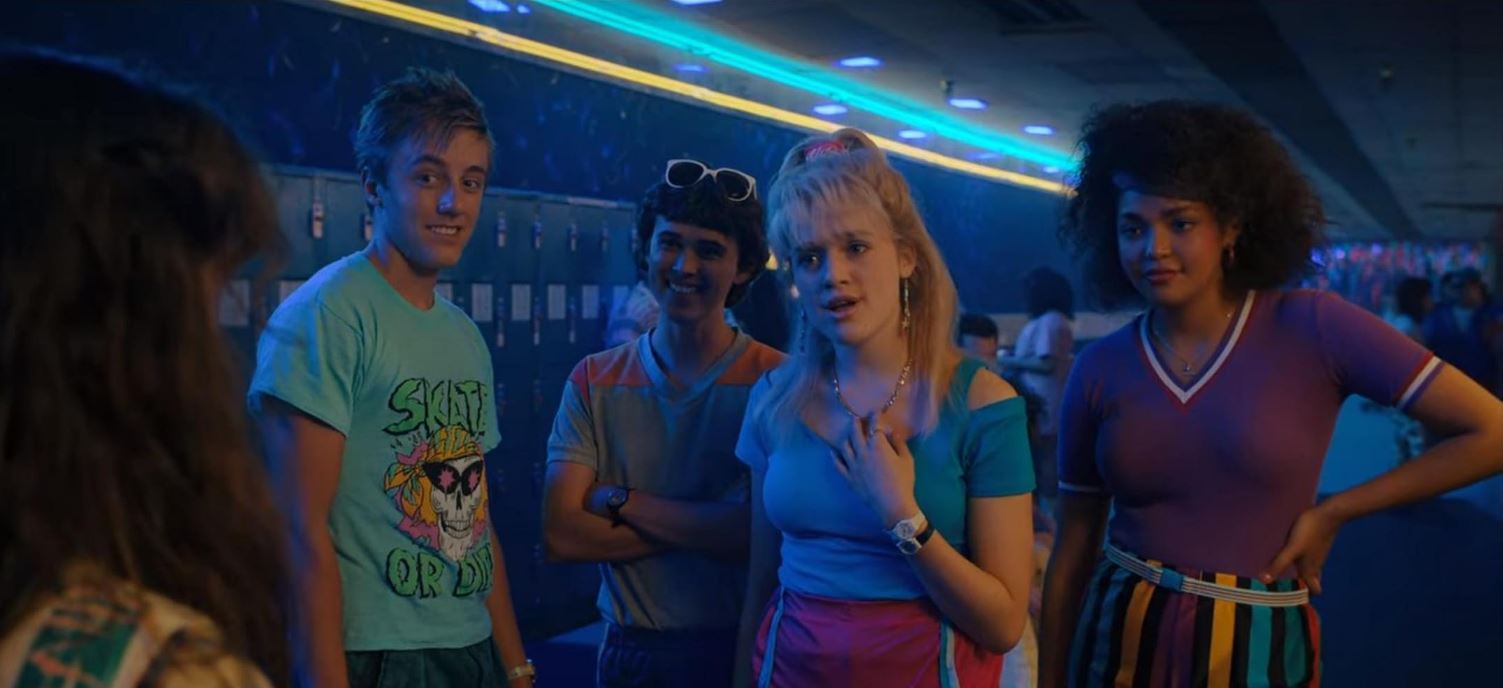
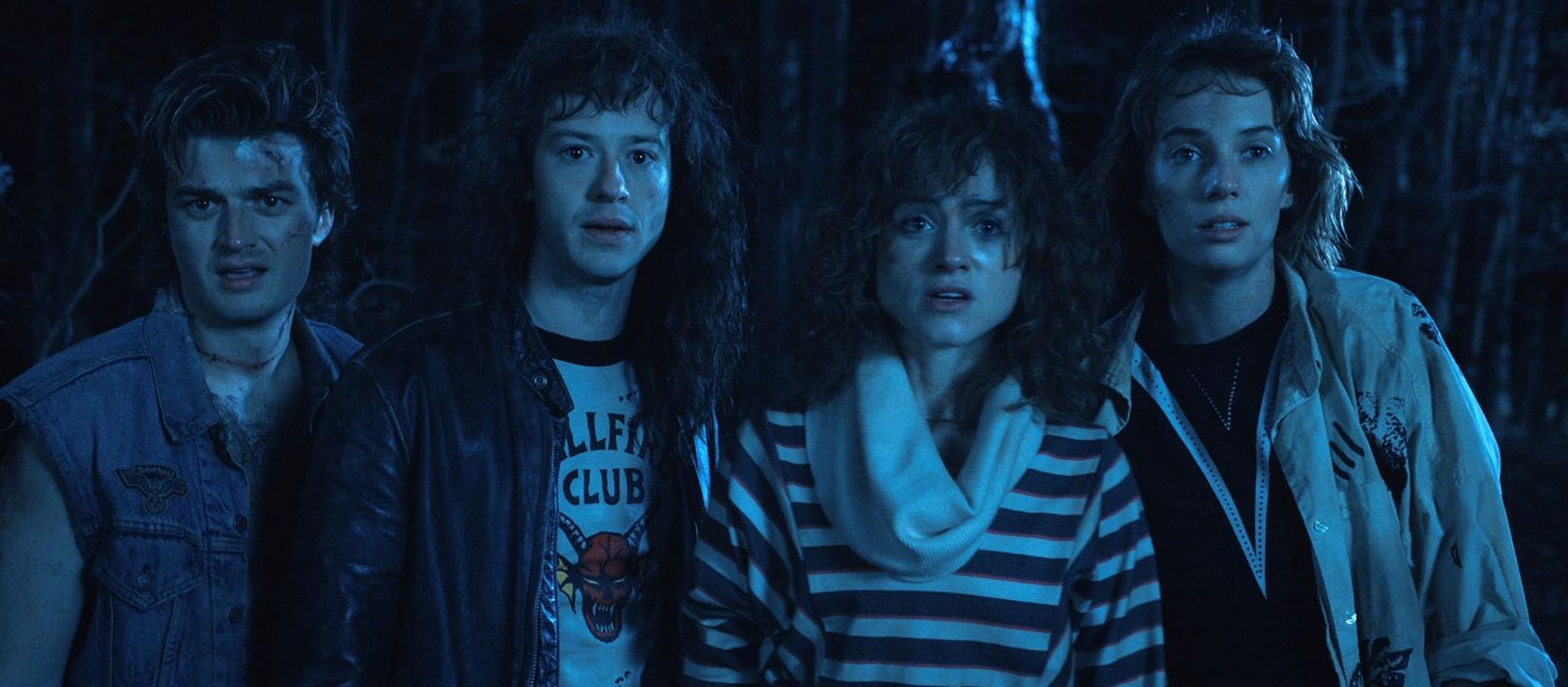
However, the show is not without its minor flaws, which keeps it from achieving a perfect score. At times, the series can lean a bit too heavily into its own tropes. Certain character arcs have felt repetitive in later seasons, and there are moments where the plot relies a little too conveniently on “deus ex machina” solutions. Despite these occasional stumbles, the character growth is undeniable. Watching Steve Harrington evolve from a stereotypical high school jock into the show’s most reliable, charismatic “babysitter” figure is one of the most satisfying arcs in modern television. It is moments like these that prove the writers truly care about their characters.
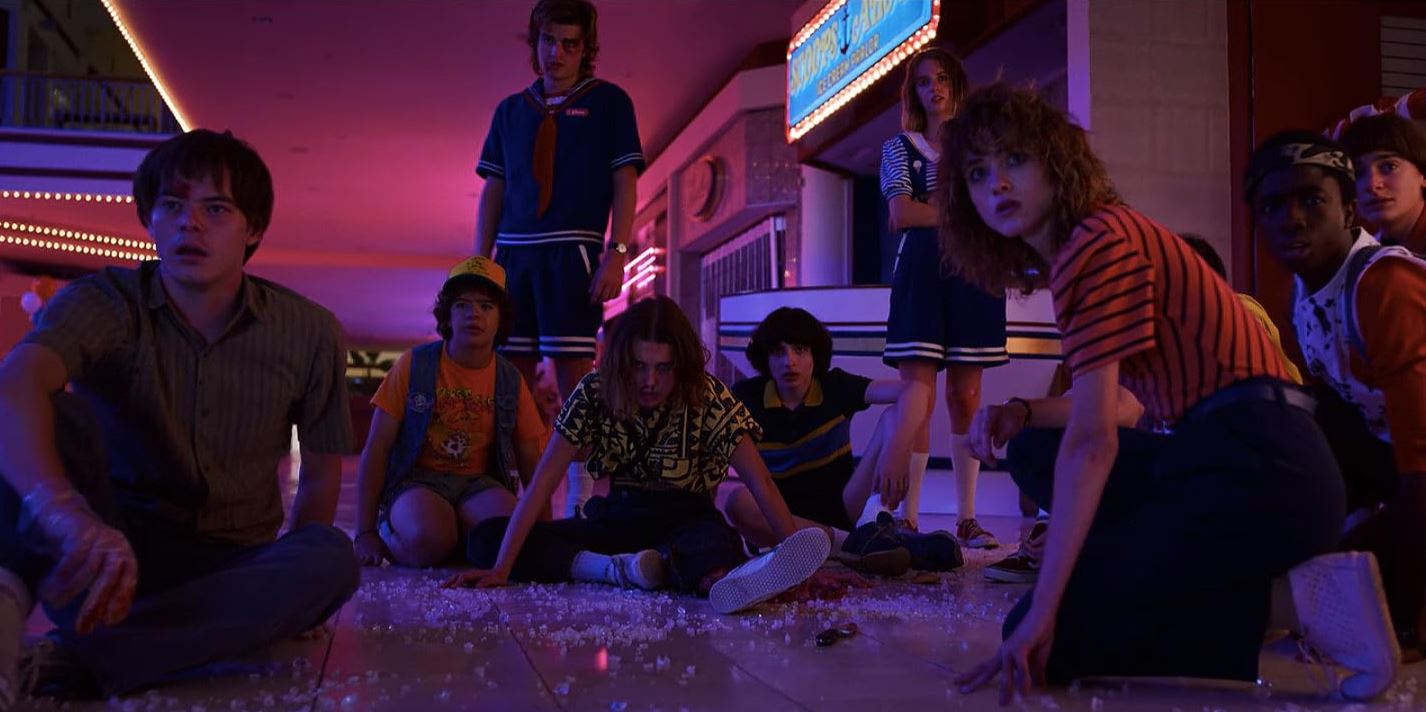
The introduction of new characters in later seasons has also been largely successful. While adding new faces can often disrupt the balance of an established cast, characters like Robin Buckley and Eddie Munson felt like natural additions. They folded into the existing world immediately, proving how expansive the narrative scope had become.
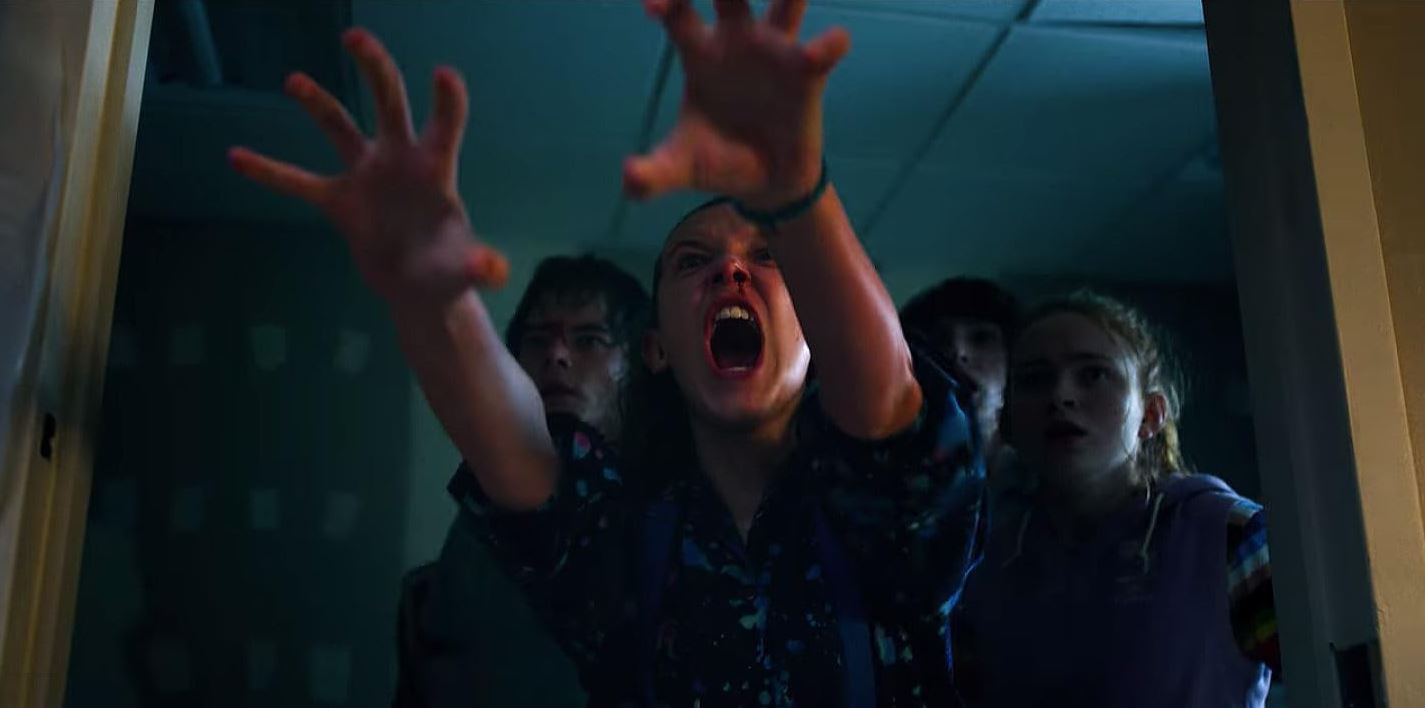
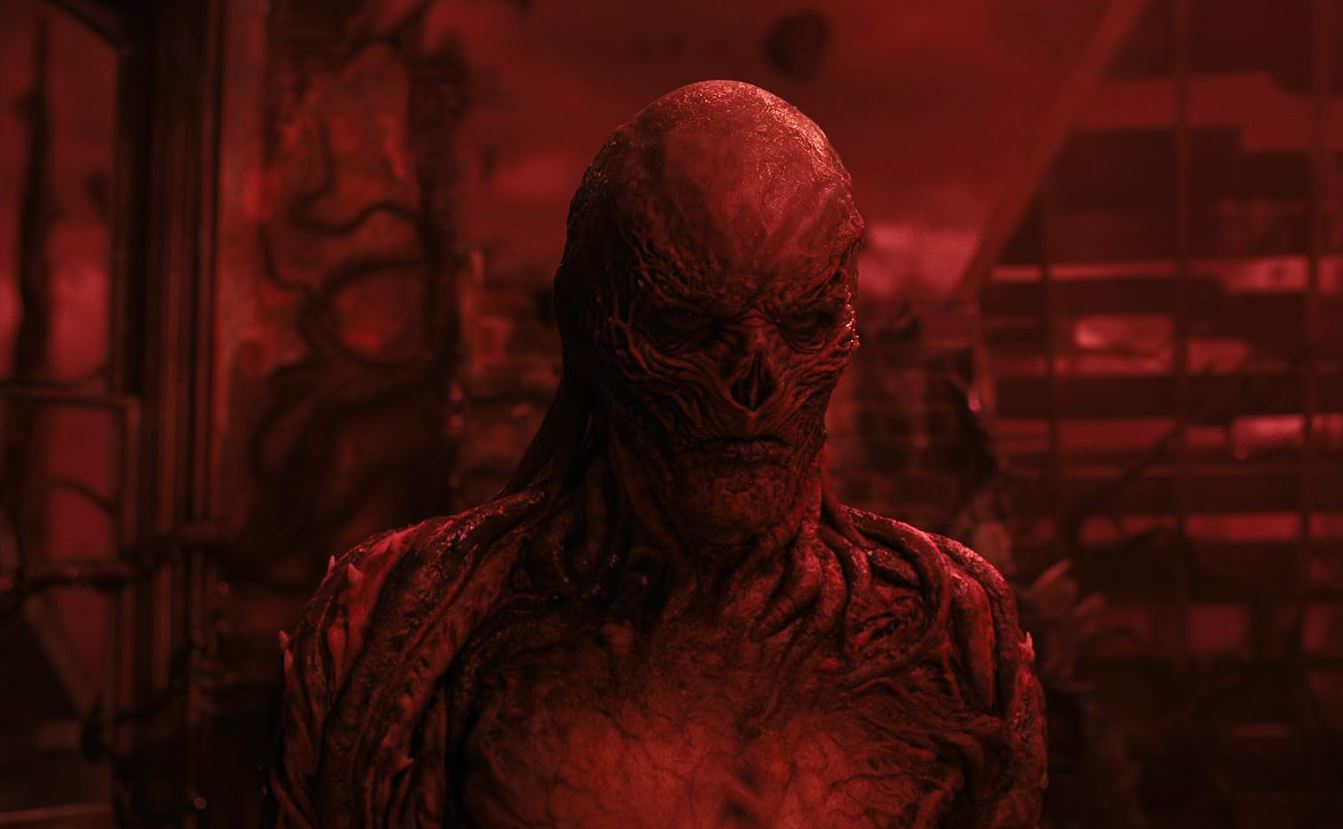
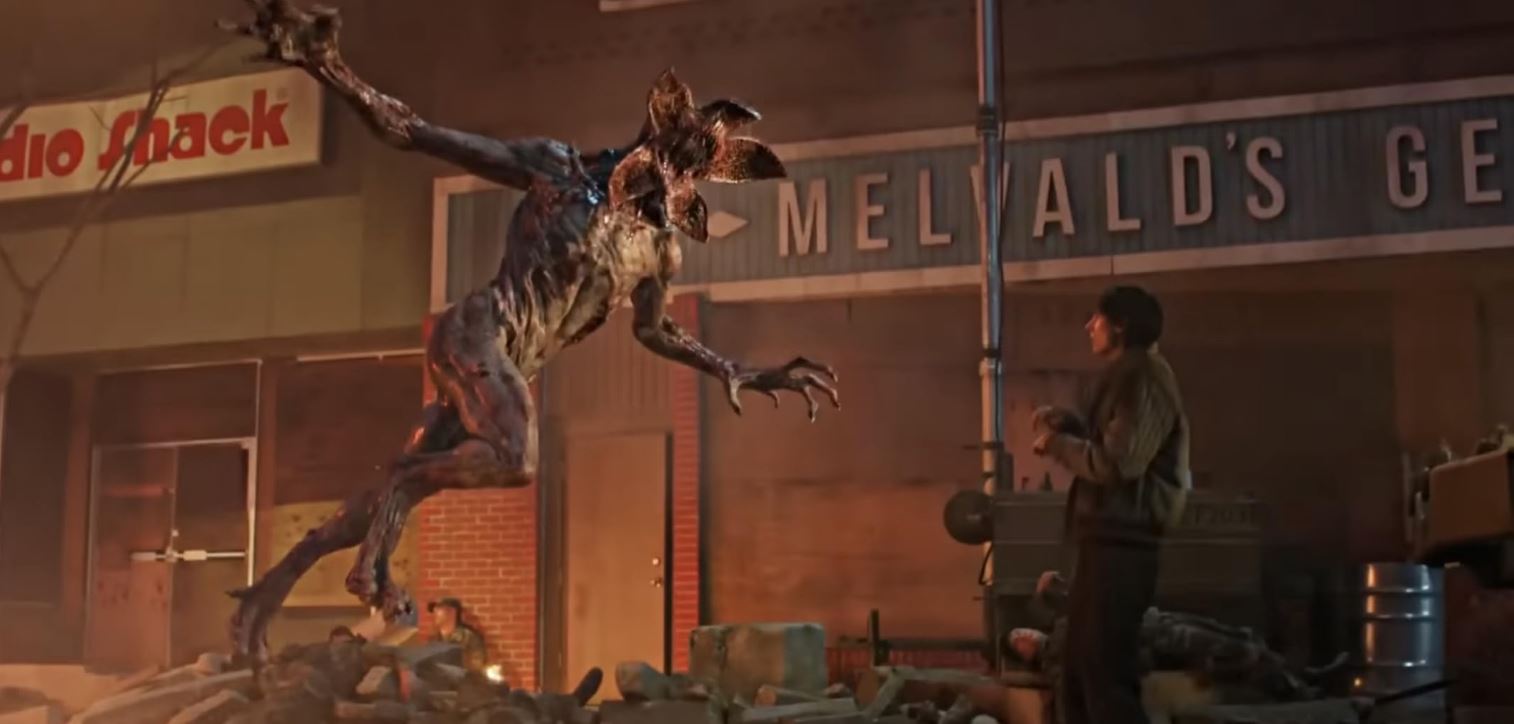
The horror elements are also handled with great care. The show never feels like it is trying too hard to be “edgy,” instead relying on suspense and dread. The monsters, from the Demogorgon to Vecna, are designed with such detail that they feel like physical threats rather than just CGI creations.
The thematic focus on friendship and the “found family” dynamic is the heartbeat of Stranger Things. It isn’t just about saving the town from monsters; it is about how these individuals show up for one another in the face of impossible odds. This emotional core is what keeps viewers coming back season after season.
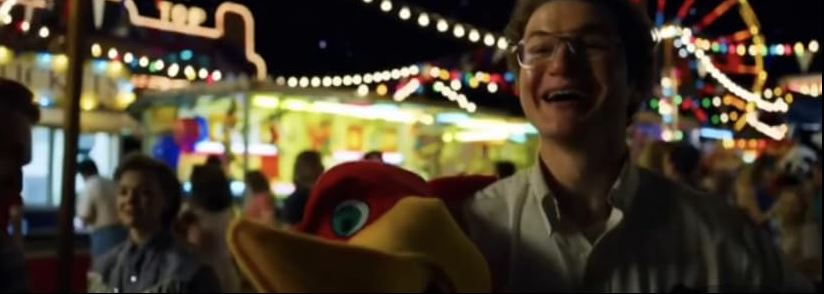
It is also worth noting the production value, which has increased exponentially over the years. The sets, the costumes, and the practical effects are all top-tier. Even as the episodes have grown in length to feel like miniature movies, the quality control remains remarkably high throughout the runtime.
The social impact of the show cannot be ignored either. It has resurrected songs, revived interest in certain hobbies like Dungeons & Dragons, and cemented itself as a staple of digital-age pop culture. It is rare for a show to hit the zeitgeist this hard and manage to sustain that level of interest for so long.
For those who have not yet experienced the mysteries of Hawkins, the journey is one well worth taking. It is a rare example of a blockbuster television show that doesn’t sacrifice its heart for the sake of its spectacle. It is a show that invites the audience to care about the people, even when the monsters are at the door.
In conclusion, Stranger Things earns a well-deserved 9 out of 10. It is a brilliant, gripping, and deeply nostalgic experience that stands as a landmark achievement in streaming television. While it occasionally trips over its own nostalgia, the heart and humanity found within its dark corridors make it an absolute must-watch.
© 2026 CoastalCarolinaNews.com. All rights reserved.

Be the first to comment