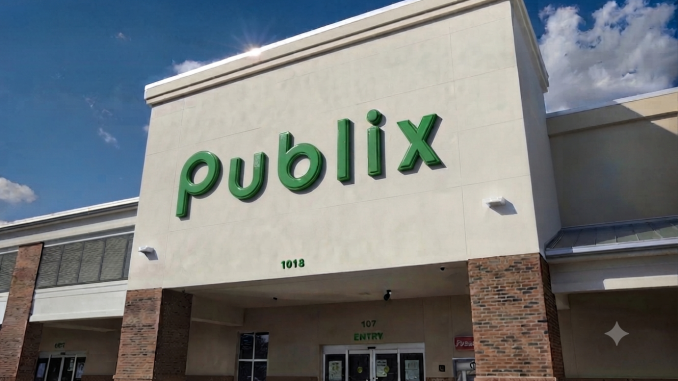
As neighborhood shoppers face shifting checkout tech and polarizing store policies, corporate leadership reports a rare sales dip amid broader economic headwinds.
By: Coastal Carolina News Staff Writer
Walking into the neighborhood grocery store used to be a straightforward weekly errand, but local shoppers are noticing that the experience at regional staple Publix is hitting a few new bumps. As families across our communities grapple with tight household budgets, the grocery chain itself is working through a unique mix of corporate policy changes, shifting tech at the register, and broader economic headwinds.
For regular shoppers who have long relied on the chain for neighborhood convenience, the friction points are becoming harder to ignore right at checkout.
Earlier this year, the company quietly sunsetted Publix Pay, the in-app contactless payment feature that allowed mobile users to scan a QR code at the register. While standard tap-to-pay options like Apple Pay and Google Pay remain active, pulling the plug on the app-specific checkout tool left tech-forward customers and busy lunch-break shoppers frustrated as they were forced to unlearn a convenient habit.
Beyond digital checkout updates, local store entrances have also seen subtle shifts. Recent policy updates restricting open-carry firearms on store premises – marked by updated entrance signage requesting that only on-duty law enforcement carry openly – sparked heavy community debate. For a brand built on friendly neighborhood uniformity, polarizing local culture discussions right at the front doors added an unexpected layer of public relations strain.
These localized gripes arrive as corporate leadership addresses a broader financial slowdown.
In recent earnings disclosures, Publix reported a 0.5% year-over-year decline in comparable-store sales for the second quarter. Addressing the numbers, CEO Kevin Murphy pointed directly to a difficult economic climate, noting that persistent inflation, changing consumer spending habits, and regulatory price adjustments on pharmacy prescriptions are weighing heavily on retail performance.
Across the region, everyday shoppers are feeling that same economic squeeze, leading many to “trade down” or closely compare weekly grocery carts against discount alternatives. As traditional grocers try to balance the high cost of service with cautious consumer spending, local residents are left watching closely to see how neighborhood stores adapt to the new normal at the register.
Copyright © 2026 Coastal Carolina News. All rights reserved.


Be the first to comment