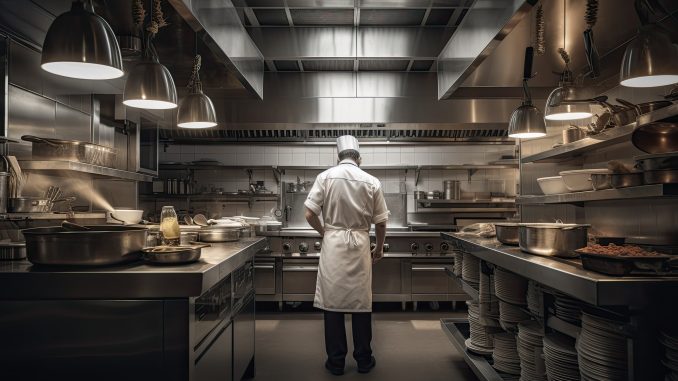
Whether you’re a complete novice or a home cook looking to sharpen your skills, the secret to great food isn’t just a collection of recipes—it’s mastering the foundational techniques. Once you understand these 10 core skills, you’ll spend less time staring at instructions and more time cooking with intuition.
Here are the 10 essential techniques that will transform you into a confident chef.
1. Knife Skills (The Foundation)
Before you turn on the stove, you must master the blade. Learning how to hold a chef’s knife safely and efficiently—specifically the “claw grip” for your guiding hand—will save you time and prevent accidents. Practice the foundational cuts: the dice, the mince, and the julienne. Consistency in size ensures even cooking.
2. Sautéing
Sautéing is all about high heat and movement. By cooking small pieces of food quickly in a shallow pan with a small amount of fat, you achieve a beautiful golden-brown exterior (the Maillard reaction) while keeping the inside tender. The key? Don’t crowd the pan, or the food will steam instead of sear.
3. Roasting
Roasting relies on dry, radiant heat from the oven to caramelize the natural sugars in vegetables and create a crispy skin on meats. Perfecting roasting is about knowing your temperatures: keep the oven hot (usually 400°F/200°C) for crispy results, and remember to toss your vegetables halfway through for even browning.
4. Blanching and Shocking
This is the secret to vibrant, crisp-tender vegetables. Blanching involves dropping produce into boiling water for a minute or two, then immediately plunging it into an ice-water bath (“shocking”) to stop the cooking process. It locks in color, nutrients, and crunch.
5. Emulsification
Ever wonder how to make a restaurant-quality vinaigrette or a perfectly creamy hollandaise? It’s all about emulsification—the art of forcing two liquids that don’t want to mix (like oil and vinegar) into a stable, creamy suspension. The trick is to add your oil or fat slowly while whisking vigorously.
6. Properly Seasoning with Salt
Salt isn’t just about making food taste “salty”; it’s about brightening the natural flavors of your ingredients. Learn to salt as you go, rather than just at the end. Taste your food at every stage of the cooking process to understand how it evolves.
7. Deglazing
After searing meat, you’ll notice brown, crusty bits stuck to the bottom of the pan. Those aren’t burnt—that’s flavor! Deglazing involves adding a liquid (like wine, stock, or vinegar) to the hot pan and scraping up those bits to create a rich, complex pan sauce.
8. Braising
Braising is the ultimate “low and slow” technique. By searing a tough cut of meat and then simmering it in a small amount of liquid over low heat for several hours, you break down connective tissues until the meat becomes fork-tender. It’s perfect for cozy, crowd-pleasing meals.
9. Poaching
Poaching is a gentle cooking method where food is submerged in liquid (water, broth, or wine) kept just below the boiling point. It’s the healthiest way to cook delicate proteins like chicken breasts, salmon, or eggs, resulting in an incredibly moist and subtle texture.
10. Making a Stock or Broth
Stop buying boxes and start making your own. Tossing vegetable scraps, onion skins, and bones into a pot with water creates a liquid base that is infinitely more flavorful than anything you’ll find in an aisle. It’s the ultimate way to reduce waste and add professional depth to your soups, risottos, and sauces.
The Bottom Line: Don’t try to master all ten in a single weekend. Pick one technique to focus on each week. Once these steps become muscle memory, you’ll find that you no longer need to rely on recipes—you’ll have the knowledge to create delicious meals from whatever you have in your pantry. Happy cooking!
© 2026 CoastalCarolinaNews.com. All rights reserved.

Be the first to comment