
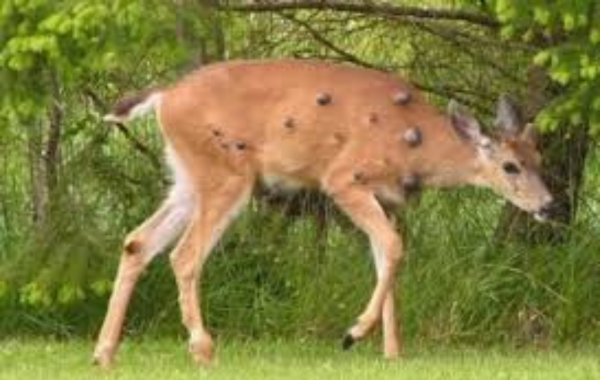
RALEIGH — The N.C. Wildlife Resources Commission has expanded its Chronic Wasting Disease (CWD) surveillance area for the 2026–27 deer hunting season, adding four eastern counties and removing 11 others after statewide testing results were reviewed. The changes take effect May 1.
A proclamation signed April 27 designates Edgecombe County as a primary surveillance area after four deer tested positive there during the 2025–26 season. Martin, Pitt and Halifax counties have been added as secondary surveillance areas.
CWD, a fatal neurological disease affecting deer and other cervids, was first detected in North Carolina in 2022. Since then, 67 deer statewide have tested positive, including 33 during the most recent season, according to NCWRC Deer Biologist April Boggs Pope.
“Four of the positive deer were found in Edgecombe County during the 2025–26 deer hunting season, making it necessary for NCWRC to proclaim Edgecombe as a primary surveillance area,” Pope said.
Eleven counties removed from surveillance list
After several years of testing with no detections, the Commission removed the following counties from the surveillance area:
Alexander, Alleghany, Ashe, Bladen, Davie, Guilford, Iredell, Harnett, Hoke, Rockingham and Robeson.
Sampling will continue in those counties, but they no longer carry surveillance‑area restrictions.
CWD Management Areas unchanged
Seven counties remain designated as CWD Management Areas due to previous detections:
Cumberland, Forsyth, Sampson, Stokes, Surry, Wilkes and Yadkin.
Hunters in these counties will see expanded opportunities this fall, including a special early season in late August and, in some counties, an earlier firearms opening day.
No mandatory testing this season
There will be no dates requiring hunters to submit deer for CWD testing during the 2026–27 season. Testing remains voluntary statewide, though strongly recommended in management and surveillance areas.
Pope said more than 23,000 samples were collected during the 2025–26 season, exceeding statewide goals and allowing the agency to avoid mandatory testing again this year.
Restrictions remain in place
Within CWD Management Areas and surveillance counties, the following remain illegal:
- Rehabilitating or transporting fawns
- Creating or refreshing mineral lick sites
- Baiting or feeding wildlife Jan. 2–Aug. 31
These restrictions are intended to reduce deer congregation and limit environmental contamination from infectious prions.
New carcass‑disposal rules begin this fall
Wildlife Health Biologist Miranda Turner said hunters will see a shift in carcass‑handling rules this season. Non‑edible parts must be:
- Buried
- Left in the county of harvest
- Taken to a landfill or placed in household trash
The change removes in‑state transportation restrictions while aiming to prevent long‑distance spread of CWD.
More information coming in August
All updated regulations will appear in the 2026–27 Inland Fishing, Hunting and Trapping Regulations Digest and on ncwildlife.gov/CWD.
© 2026 BCDollarSaver.com. All rights reserved.

Be the first to comment