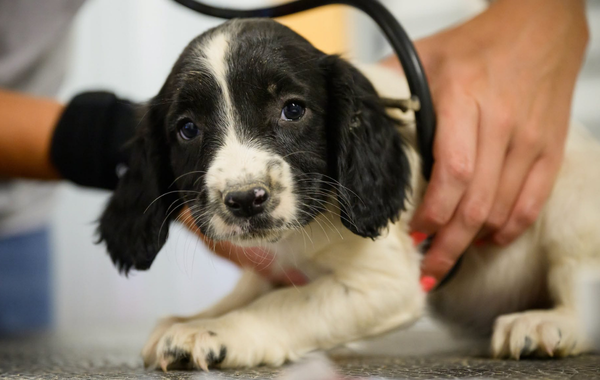
COLUMBUS COUNTY — The U.S. Department of Agriculture has released a new Rural Veterinary Action Plan aimed at tackling a nationwide shortage of food‑animal veterinarians, a problem that has hit rural counties like Columbus especially hard. The plan expands loan repayment programs, streamlines grant applications, boosts federal recruitment incentives, and calls for new partnerships with vet schools to bring more graduates into livestock and poultry medicine.
The shortage has grown for more than a decade. USDA says the average veterinary school graduate now carries more than $200,000 in student debt, and nearly 73 percent of new vets choose companion‑animal clinics instead of food‑animal or mixed‑animal practice. Rural counties are left competing for a shrinking pool of veterinarians willing to work long hours on farms, poultry houses, and livestock operations.
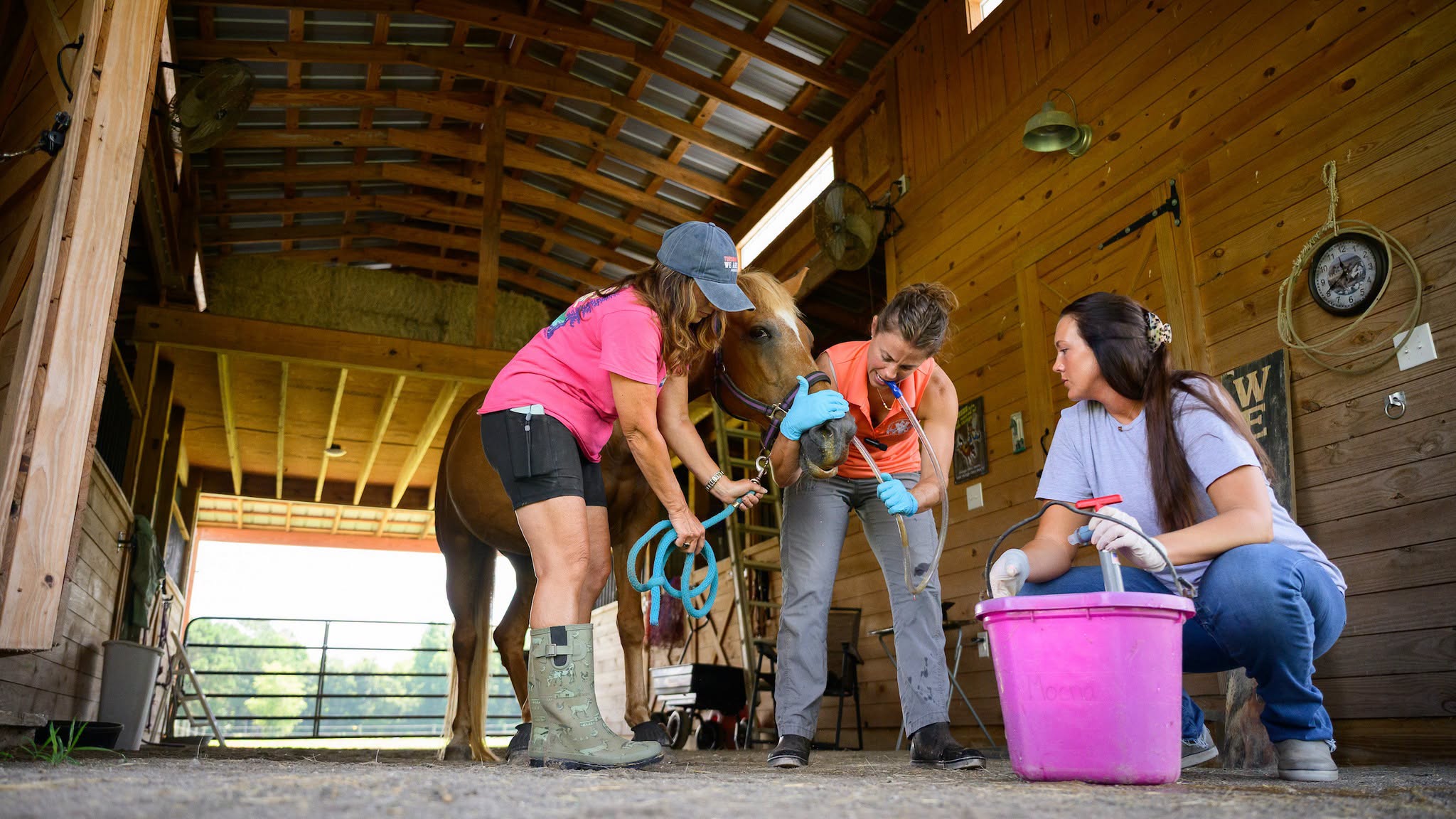
Columbus County has felt the strain. Pineview Veterinary Center, one of the region’s few mixed‑animal practices, has expanded mobile service across both North and South Carolina to meet demand. The clinic operates two brick‑and‑mortar days each week in Whiteville and sends trucks out daily to farms in multiple counties.
Working with Dr. Long at Pineview this summer were two USDA‑supported interns: Emma Knox of Henry River Mobile Veterinary Services in Catawba County, and Meredith Moss, a rising third‑year student from Whiteville. Moss is one of several North Carolina students participating in federal programs designed to steer young veterinarians toward rural food‑animal practice.
Other students in the statewide cohort include
Makayla Holloman at Hannah Creek Veterinary Hospital in Johnston County,
Bailey Jones at Scarlett Mobile Large Animal Service in Randolph County,
Mary O’Neill at Foothills Animal Hospital in McDowell County,
Clarkson Plumides at Flat River Veterinary Center in Person County,
and Abbey Brake, who works with Butterball and Perdue Farms.
USDA’s new plan expands the Veterinary Medicine Loan Repayment Program, adding up to $15 million to help more graduates pay down debt in exchange for serving in designated shortage areas. The agency will also streamline the application process, moving away from email‑based submissions and reducing paperwork requirements.
The plan calls for a nationwide study of rural veterinary shortages, noting that current shortage designations often appear only after a veterinarian retires or moves away. USDA says better forecasting is needed to prevent gaps in service that can threaten livestock health, food safety, and supply chains.
Federal agencies including APHIS and FSIS will also revitalize internship and scholarship programs, increasing tuition reimbursement up to $20,000 for undergraduate scholars and up to $40,000 per year for graduate students beginning in 2026. Recruitment bonuses and special pay rates for federal veterinarians are also under consideration.
For Columbus County, the plan arrives as local producers continue to rely heavily on Pineview’s mobile service. With Moss and Knox assisting Long throughout the summer, the clinic covered farms from Whiteville to Tabor City and across the state line into Horry County, providing routine herd checks, emergency calls, and poultry flock assessments.
USDA says listening sessions with vet schools and rural communities will continue through October 2025. The agency hopes to reverse the trend of declining food‑animal veterinary interest and build a stronger pipeline of rural veterinarians.
For farmers in Columbus County, any increase in rural veterinary support would be welcome. Pineview remains one of the few clinics capable of handling both small‑animal and large‑animal cases, and the demand for livestock care continues to grow.
© 2026 CoastalCarolinaNews.com. All rights reserved


Be the first to comment